With ITC, Cambodia advances policy for women in trade
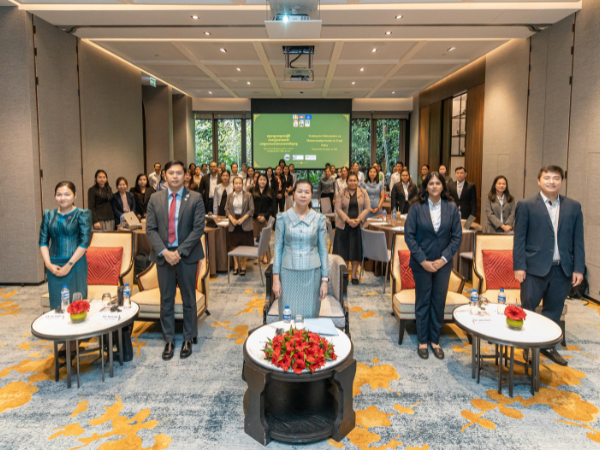
Since early this year, ITC and Cambodia’s Ministry of Commerce have been working together to integrate gender considerations into the Cambodia Trade Policy Framework. On 12 November, 59 government officials received hands-on training to advance this framework’s ambitions.
2 MIN READ
news update
cambodia
15 DECEMBER 2025
Cambodia’s push to make trade more accessible to women has been gathering pace since early 2025. Building on earlier collaboration between the Ministry of Commerce and the International Trade Centre (ITC), the country is taking steps to advance gender equality through its trade policy framework.
Why women in trade matter for Cambodia’s ambitions
Participants examined global and national evidence showing that gender equality is both a social imperative and an economic driver. Despite women contributing an estimated 37% to global GDP, only 1% of the world’s top exporters are women-owned, and just 5% of export financing reached women-led firms. These gaps represent missed opportunities for productivity, competitiveness, and export growth.
Cambodia’s own 2023 SheTrades Outlook assessment revealed similar disparities. Cambodian women entrepreneurs remain underrepresented in international trade, and face limitations in accessing finance and information. Yet the assessment also highlighted initiatives already working well, such as the Ministry of Commerce’s business registration support, gender and youth working groups, and targeted small business support.
In response to the SheTrades Outlook report, the Ministry of Commerce has been working with ITC SheTrades to mainstream gender in the policy framework.
Cambodia’s own 2023 SheTrades Outlook assessment revealed similar disparities. Cambodian women entrepreneurs remain underrepresented in international trade, and face limitations in accessing finance and information. Yet the assessment also highlighted initiatives already working well, such as the Ministry of Commerce’s business registration support, gender and youth working groups, and targeted small business support.
In response to the SheTrades Outlook report, the Ministry of Commerce has been working with ITC SheTrades to mainstream gender in the policy framework.
Global lessons in the national context
The November training provided policymakers with concrete tools and examples to strengthen the inclusive trade chapter of the policy framework. Drawing on global best practices – from Gender Mainstreaming Strategic Framework used by Southeast Asian nations to gender-responsive procurement reforms in Bangladesh and the Philippines – participants examined how targeted measures can amplify women’s participation in trade. Using ITC’s five-step approach to gender-responsive trade policy, they laid out priority actions including:
-
Embedding gender provisions in trade agreements using model clauses and gender impact assessments
-
Expanding gender-disaggregated data collection
-
Building women’s skills in areas such as digital trade, export readiness and compliance
-
Improving access to finance and procurement
-
Strengthening institutional coordination, ensuring ministries and agencies align objectives and share data
Sustaining the momentum
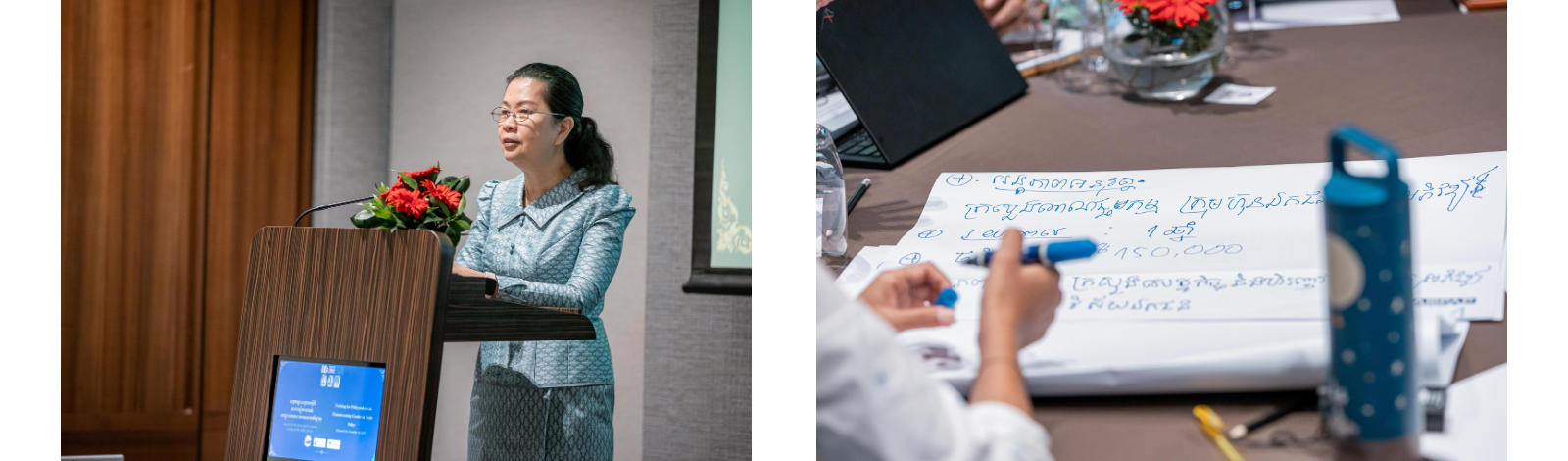
At the workshop, Cambodian policymakers reaffirmed their focus on data-driven policymaking, stakeholder engagement, and institutional coordination to ensure women benefit equitably from trade. They began shaping an action plan to implement inclusive measures – gender provisions in free trade agreements, gender-disaggregated data collection, and targeted programmes for women’s access to finance, skills, and markets.
The Ministry of Commerce and ITC will continue working closely in coming months to review and finalize the policy framework, ensuring it contains robust measures for training, engagement, and long-term monitoring.
The workshop on 12 November brought together policymakers from the Ministry of Commerce, the Ministry of Women’s Affairs, the Ministry of Planning, and the Ministry of Industry, Science, Technology and Innovation.
The workshop was delivered by SheTrades Commonwealth+ programme, supported by the United Kingdom’s Foreign, Commonwealth and Development Office.
The Ministry of Commerce and ITC will continue working closely in coming months to review and finalize the policy framework, ensuring it contains robust measures for training, engagement, and long-term monitoring.
The workshop on 12 November brought together policymakers from the Ministry of Commerce, the Ministry of Women’s Affairs, the Ministry of Planning, and the Ministry of Industry, Science, Technology and Innovation.
The workshop was delivered by SheTrades Commonwealth+ programme, supported by the United Kingdom’s Foreign, Commonwealth and Development Office.

12 November 2025, Phnom Penh, Cambodia – Policymakers worked together to map priority actions for making Cambodia’s trade ecosystem more inclusive.