ITC SheTrades and Visa expand women’s digital trade programme to Ghana
Ghana’s women entrepreneurs run nearly half the country’s small businesses. They are also among the least likely to get a bank loan, accept a digital payment or sell across a border. Visa and ITC SheTrades delivered two regional programmes across the Gulf and sub-Saharan Africa that produced concrete results. Now, they are taking that model to Ghana.
2 MIN READ
news update
Ghana

25 JUNE 2026
Ghana has one of the highest rates of financial account ownership in sub-Saharan Africa, with 81% of adults holding an account, largely thanks to mobile money. The infrastructure for digital payments exists. The question is who can use it, and on what terms. Women entrepreneurs, who own an estimated 44% of small businesses in Ghana, still struggle to convert that infrastructure into capital, credit and customers. They face limited access to capital, stringent collateral requirements, complex loan processes and gaps in digital literacy.
On 18 June 2026, senior representatives from ITC, Visa and the Ghana Export Promotion Authority (GEPA) gathered in Accra to mark the soft launch of the Ghana programme – an initiative designed to strengthen the business competitiveness, digital skills and financial inclusion of women-led businesses. Among those present was Jeremy Sturchio, Visa’s Global Head of Social Impact and Sustainability, as well as Ambrose Nsarkoh, Deputy CEO, Operations and Management at GEPA, and Regina Hammond, ITC’s AfCFTA Liaison Officer in Ghana.
The model is proven. Since 2025, the programme has supported over 1,768 women entrepreneurs across the Gulf Cooperation Council and sub-Saharan Africa to break into international markets using digital tools, and Ghana is where that momentum builds next.
In Ghana, the programme will deliver online trainings and webinars and in-country workshops covering financial literacy, business management and e-commerce, alongside networking events and support to integrate Visa’s digital payment tools into participants’ operations. GEPA, which hosts the SheTrades Ghana Hub, brings a longstanding mandate in export development and business growth to the programme along with a wide membership of women-led businesses that stand to benefit directly.
For Ghana, the stakes are clear: closing the financing and digital gap for women-led businesses could unlock billions in untapped economic potential, and position Ghana as a model for inclusive trade growth across the region.
On 18 June 2026, senior representatives from ITC, Visa and the Ghana Export Promotion Authority (GEPA) gathered in Accra to mark the soft launch of the Ghana programme – an initiative designed to strengthen the business competitiveness, digital skills and financial inclusion of women-led businesses. Among those present was Jeremy Sturchio, Visa’s Global Head of Social Impact and Sustainability, as well as Ambrose Nsarkoh, Deputy CEO, Operations and Management at GEPA, and Regina Hammond, ITC’s AfCFTA Liaison Officer in Ghana.
The model is proven. Since 2025, the programme has supported over 1,768 women entrepreneurs across the Gulf Cooperation Council and sub-Saharan Africa to break into international markets using digital tools, and Ghana is where that momentum builds next.
In Ghana, the programme will deliver online trainings and webinars and in-country workshops covering financial literacy, business management and e-commerce, alongside networking events and support to integrate Visa’s digital payment tools into participants’ operations. GEPA, which hosts the SheTrades Ghana Hub, brings a longstanding mandate in export development and business growth to the programme along with a wide membership of women-led businesses that stand to benefit directly.
For Ghana, the stakes are clear: closing the financing and digital gap for women-led businesses could unlock billions in untapped economic potential, and position Ghana as a model for inclusive trade growth across the region.

We designed this programme to address the needs of the Ghanaian market, specifically to support women entrepreneurs as they explore cross-border trade. Tailoring the programme allows us to use ITC SheTrades’ deep expertise in trade readiness and Visa’s global capabilities in digital payments to help entrepreneurs compete in the digital economy. We know similar programmes have worked in other markets, and being in Accra this week underscored how important it is to scale and tailor proven programmes that support entrepreneurs.
Jeremy Sturchio
Global Head of Social Impact and Sustainability, Visa
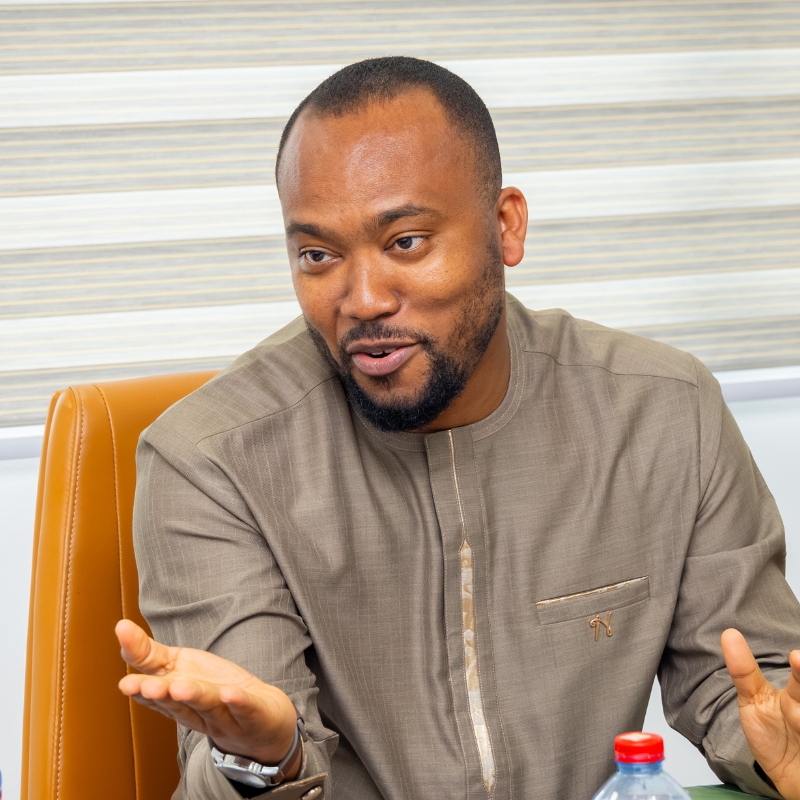
GEPA is proud to continue its longstanding collaboration with ITC SheTrades to advance women-led businesses in Ghana. We are particularly pleased to see this work expand through the partnership with Visa, whose expertise in digital payments and financial inclusion will further strengthen our collective support to women-led businesses seeking to trade, scale and compete in regional and global markets.
Ambrose Nsarkoh
Deputy CEO, Adminitration and Operations, GEPA
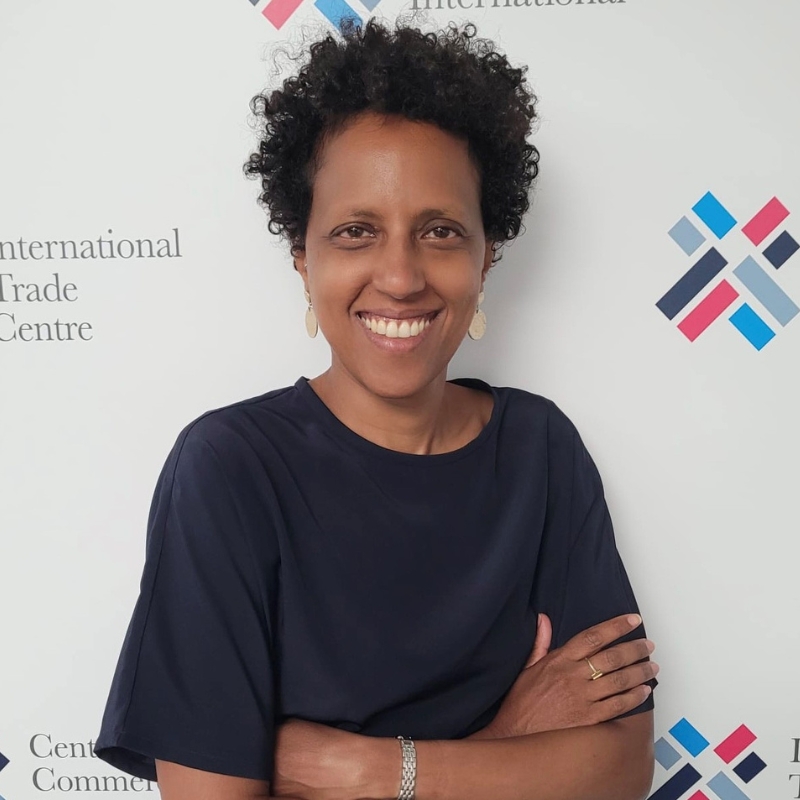
Ghana marks an important milestone for our partnership with Visa. The next chapter of ITC SheTrades puts digital trade and South-South commerce at the centre, and this programme is a direct expression of that. Building on the results and lessons from the Gulf and sub-Saharan Africa, we are bringing together Visa’s expertise in digital payments and GEPA’s networks as the SheTrades Ghana Hub to equip women-led businesses with the tools and connections they need to compete and grow across borders.
Judith Fessehaie
Head of ITC SheTrades
The soft launch also brought Ghanaian women entrepreneurs into direct conversation with Visa and GEPA on digitalization, access to finance, AI and export readiness.
The programme kicks off on 16 July with a five-part webinar series: ‘Digital, Financial and Leadership Skills for Women-Led Businesses in Sub-Saharan Africa’ – the next step in turning Ghana’s potential into progress for its women entrepreneurs.
The programme kicks off on 16 July with a five-part webinar series: ‘Digital, Financial and Leadership Skills for Women-Led Businesses in Sub-Saharan Africa’ – the next step in turning Ghana’s potential into progress for its women entrepreneurs.