ITC SheTrades launches AI Toolkit for women entrepreneurs
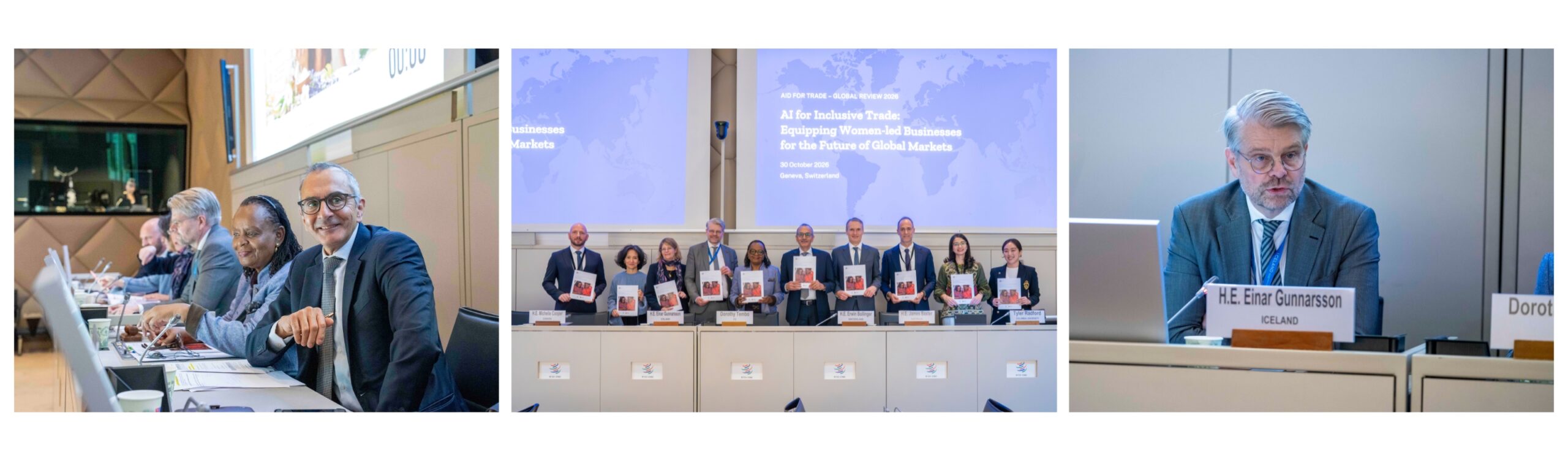
A session at the Global Review of Aid for Trade 2026 brought together governments, the private sector and academia to make sure that AI narrows trade gaps for small businesses instead of widening them.
4 MIN READ
News update
Global
30 OCTOBER 2026
AI is no longer a future consideration for entrepreneurs. In a survey of women entrepreneurs across Africa, Asia, Latin America and the Middle East, ITC SheTrades found that 77% already use AI in their business. But many asked for guidance on how best to apply AI to core business operations and check its outputs. Their top concerns are data privacy, cost and online fraud.
The stakes are high for small businesses. ITC’s SME Competitiveness Outlook 2025 found that men-led businesses are 1.5 times as likely as women-led ones to be expert users of digital tools, even though 80% of businesses that use them report higher sales and lower costs. Women-led businesses in developing and least developed countries face barriers linked to digital skills, affordability, connectivity, language, trust and data protection.
‘A major risk of this technology is that it could widen inequalities, both between SMEs and larger firms, and between men- and women-led businesses,’ said Dorothy Tembo, ITC Deputy Executive Director. ‘That is where this SheTrades AI Toolkit aims to make a difference.’
On 30 October, ITC addressed this risk at the Global Review of Aid for Trade 2026, hosted by the World Trade Organization in Geneva.
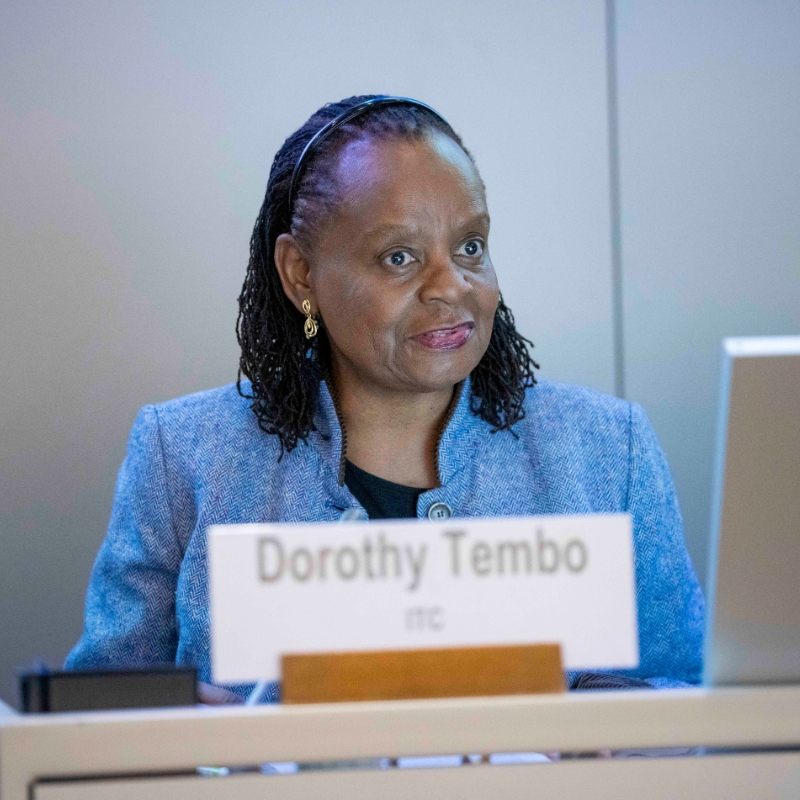
A major risk of this technology is that it could widen inequalities, both between SMEs and larger firms, and between men- and women-led businesses. That is where this SheTrades AI Toolkit aims to make a difference.
Dorothy Tembo
Deputy Executive Director
ITC
A new toolkit for women entrepreneurs
In a session co-organized by El Salvador and Switzerland, ITC SheTrades launched the AI Toolkit for Women-led Businesses, co-developed with Columbia University’s School of International and Public Affairs (SIPA). It offers step-by-step guidance for AI use across three levels of digital maturity, from beginner to advanced, along with use cases, prompts, templates and accessible tools that entrepreneurs can use in everyday business functions.
The toolkit is informed by insights from more than 155 women entrepreneurs and by women-led businesses in Viet Nam that piloted its recommendations. Its aim, Dorothy Tembo explained, is to help women-led businesses ‘stay firmly in the driver’s seat of their export journeys.’ The toolkit was made possible by the support of the Swiss State Secretariat for Economic Affairs (SECO), Iceland and UPS.
The session put the toolkit’s lessons to the test. Representatives from SECO, Iceland, Australia, Brazil, Canada, ITC, UPS and Columbia University took part in an interactive game built on business scenarios inspired by how women entrepreneurs use generative AI at work. The point was not to decide whether AI or humans performed better, but to show when AI adds value, when it needs to be challenged, and why human judgment remains indispensable.
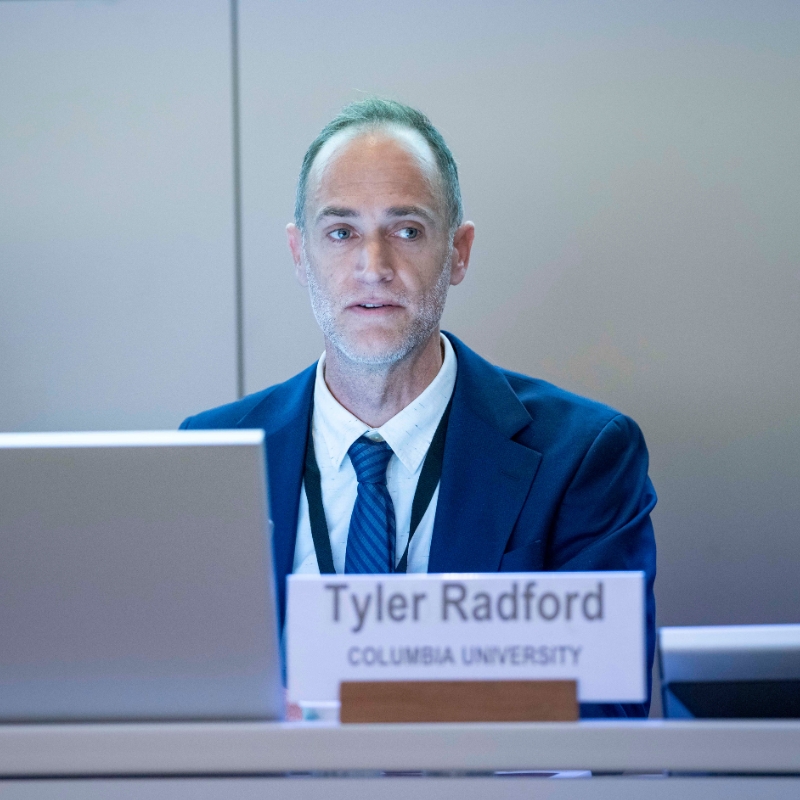
Women-led businesses are not behind on AI, it’s our support that’s falling short.
Tyler Radford
Lecturer and Advisor
School of International and Public Affairs, Columbia University
The toolkit is one step in ITC’s broader work to help small businesses benefit from and drive the digital transition, as set out in its Strategic Plan 2026–2030. It will also inform ITC’s work with ministers following the call to action endorsed at the first Global SME Ministerial Meeting in Johannesburg in 2025, which named the responsible adoption of AI as a shared challenge for small businesses. Ministers will meet again for the second edition in Geneva next May.
‘We hope that as more women entrepreneurs use this toolkit, they can share their insights with us,’ said Dorothy Tembo.
‘We hope that as more women entrepreneurs use this toolkit, they can share their insights with us,’ said Dorothy Tembo.

We welcome the launch today of ITC Artificial Intelligence Toolkit for women-led businesses, developed with Switzerland’s support. This practical tool, grounded in fieldwork, will help women entrepreneurs develop AI skills, make better decision-making and grow their export businesses around the globe.
H.E. Erwin Bollinger
Ambassador, Head of the Swiss Permanent Mission to the WTO and EFTA in Geneva
State Secretariat for Economic Affairs (SECO), Switzerland

Our objective should be to create an environment where innovation can flourish while ensuring that AI is developed and used in a way that people can trust. We believe that the new toolkit is a step in this direction.
H.E. Einar Gunnarsson
Permanent Representative of Iceland to the International Organisations in Geneva and Ambassador to Switzerland
Government of Iceland
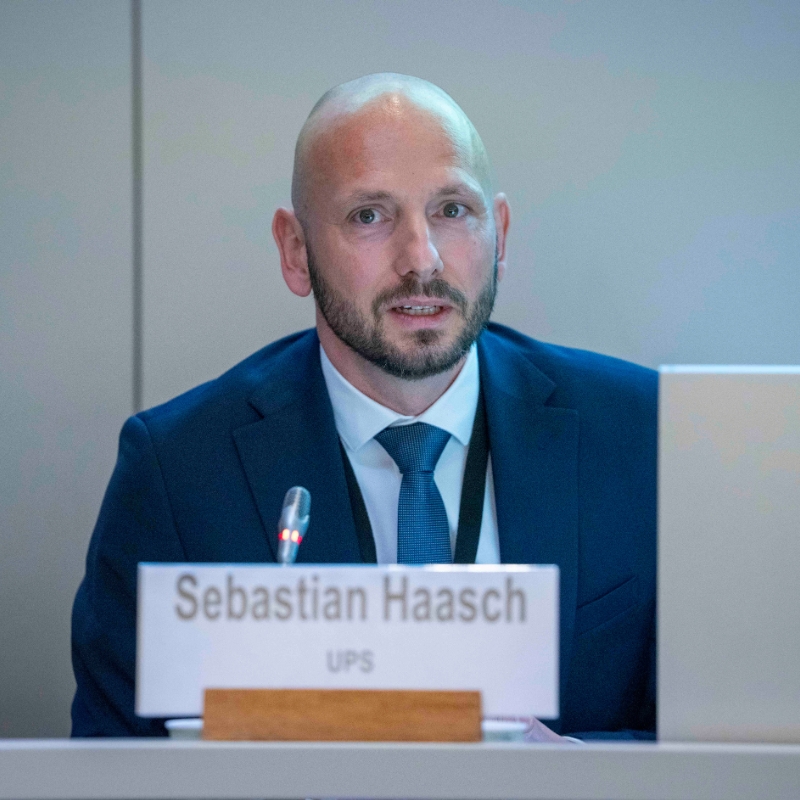
[This toolkit] reflects an ambition that UPS shares with ITC: ensuring that entrepreneurs and small businesses are not simply participants in global trade, but are equipped to compete, innovate and grow within it.
Sebastian Haasch
Country Sales Manager for Switzerland
UPS