How one Mexican entrepreneur grew her jewellery brand through digital trade
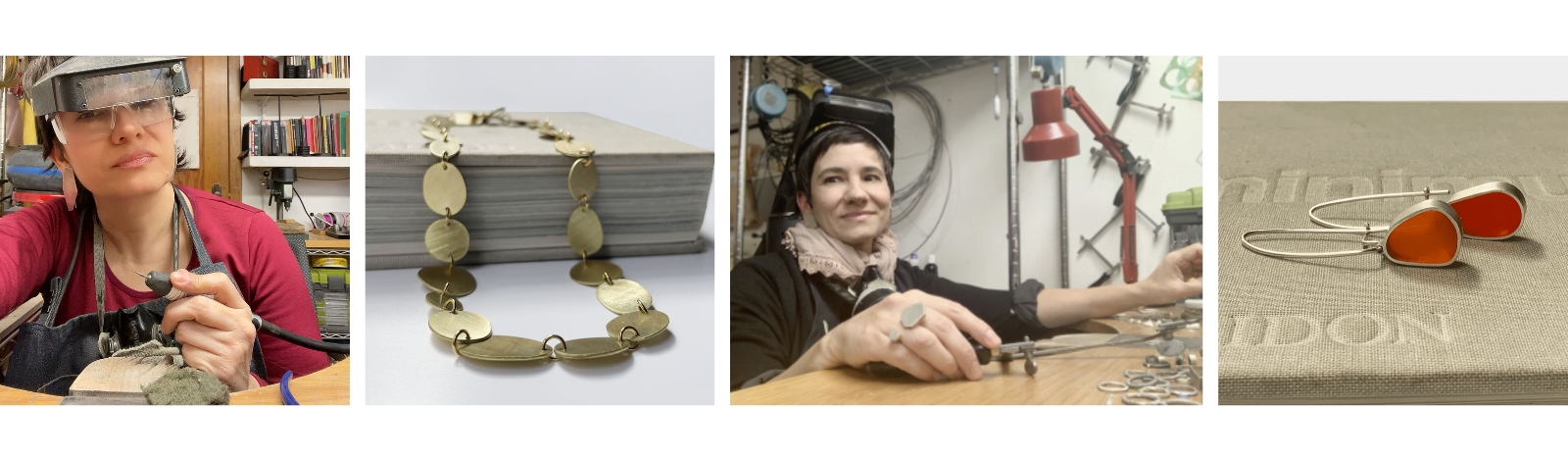
Jewellery-making in Mexico has long been shaped by generations of tradition and craftsmanship. For María Fernanda, building a brand in this field meant carving out her own approach from day one.
4 MIN READ
success story
Mexico
2 NOVEMBER 2026
When she founded Dikua Joyería in Mexico City in 2007, María Fernanda chose a different path from the start. To set herself apart from the mass-market industry standard, she wanted her jewellery to showcase distinct craftsmanship – pieces made by hand, one by one, with care for both people and the environment.
María became a parent in 2003 and needed a way to work with flexibility. Jewellery-making gave her exactly that, while still being able to exercise her creativity. Unlike her previous career in architecture, this path offered her something that was entirely hers.
Online, she learned to craft pieces from resins and textiles. But over time, she became increasingly aware of the environmental impact of the materials she was using.
‘I understood that what I was working with was not aligned with my values,’ she says.
She began to work with practices and materials to create a fully ethical and environmentally conscious brand, using locally-sourced gold, silver and copper.
Over time, her business expanded beyond Mexico, reaching customers in the United States and Europe through online marketplaces.
Shifting systems to meet evolving needs
The platforms and systems supporting the business’ early growth, eventually became limiting. Increased global competition, shifting platform dynamics, and logistical barriers made international sales increasingly difficult.
At the same time, building trust with local customers remained a challenge in Mexico, where people are still cautious about online shopping with independent brands.
‘I realized I was depending too much on systems I didn’t control,’ she says.
The pandemic accelerated these challenges, disrupting logistics and forcing a complete reassessment of how businesses operated. Growing the online store while reducing dependency on external platforms became a key priority.
This is how she came to join the digital trade capacity-building programme run by ITC SheTrades and UPS WEP in 2025.
Through the programme, participating entrepreneurs, strengthened their understanding of e-commerce strategy, search engine optimization (SEO), and website optimization. They worked on improving the structure and navigation of their online store, refining product presentation, and enhancing the customer experience.
They also began using data more intentionally, learning how to analyse traffic and adjust her digital strategy accordingly.
The changes they made began to show results. Their websites were generating consistent organic traffic, and they started receiving more regular online orders. They also reached new customers, including international buyers based in Mexico who had not previously discovered their brands.
‘It was not a dramatic change,’ she says, ‘but deeply organic and meaningful.’ Progress over speed, a measure of success that echoes across the programme’s wider cohort of hundreds of entrepreneurs, each building at their own pace, each discovering that lasting growth rarely announces itself with fanfare.
Today, each participant continues to grow their business with intention. Their focus is on strengthening their presence in Mexico while remaining open to international opportunities. At the same time, they continue to value direct, human interaction with their customers – something they see as essential to their craft.
‘I like being in contact with people,’ they say. ‘But I also like the idea of reaching places I have never been.’
Today, our entrepreneurs are focused on growing their businesses in a way that reflects their values: craftsmanship, sustainability and direct connection with their customers. While they expand their online presence to reach new markets, they remain committed to building the business on their own terms.
Through the ITC SheTrades and UPS WEP, hundreds of entrepreneurs gained new tools to do just that.
ITC SheTrades launches AI Toolkit for women entrepreneurs
A session at the Global Review of Aid for Trade 2026 brought together governments, the private sector and academia to make sure that AI narrows trade gaps for small businesses instead of widening them.
4 MIN READ
News update
Global
30 OCTOBER 2026
AI is no longer a future consideration for entrepreneurs. In a survey of women entrepreneurs across Africa, Asia, Latin America and the Middle East, ITC SheTrades found that 77% already use AI in their business. But many asked for guidance on how best to apply AI to core business operations and check its outputs. Their top concerns are data privacy, cost and online fraud.
The stakes are high for small businesses. ITC’s SME Competitiveness Outlook 2025 found that men-led businesses are 1.5 times as likely as women-led ones to be expert users of digital tools, even though 80% of businesses that use them report higher sales and lower costs. Women-led businesses in developing and least developed countries face barriers linked to digital skills, affordability, connectivity, language, trust and data protection.
‘A major risk of this technology is that it could widen inequalities, both between SMEs and larger firms, and between men- and women-led businesses,’ said Dorothy Tembo, ITC Deputy Executive Director. ‘That is where this SheTrades AI Toolkit aims to make a difference.’
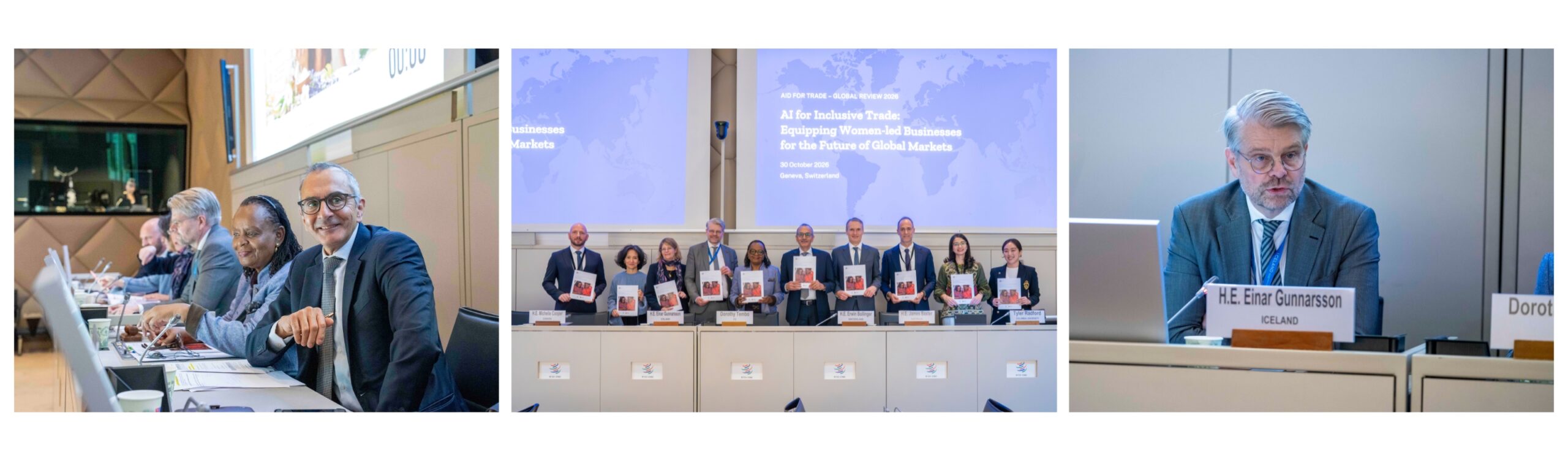
On 30 October, ITC addressed this risk at the Global Review of Aid for Trade 2026, hosted by the World Trade Organization in Geneva.
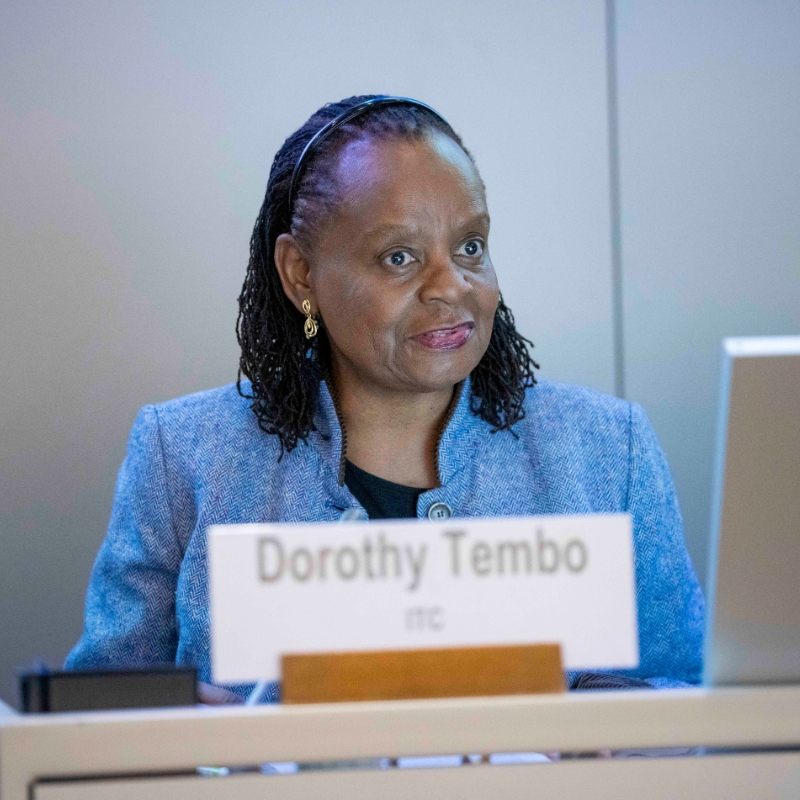
A major risk of this technology is that it could widen inequalities, both between SMEs and larger firms, and between men- and women-led businesses. That is where this SheTrades AI Toolkit aims to make a difference.
Dorothy Tembo
Deputy Executive Director
ITC
A new toolkit for women entrepreneurs
In a session co-organized by El Salvador and Switzerland, ITC SheTrades launched the AI Toolkit for Women-led Businesses, co-developed with Columbia University’s School of International and Public Affairs (SIPA). It offers step-by-step guidance for AI use across three levels of digital maturity, from beginner to advanced, along with use cases, prompts, templates and accessible tools that entrepreneurs can use in everyday business functions.
The toolkit is informed by insights from more than 155 women entrepreneurs and by women-led businesses in Viet Nam that piloted its recommendations. Its aim, Dorothy Tembo explained, is to help women-led businesses ‘stay firmly in the driver’s seat of their export journeys.’ The toolkit was made possible by the support of the Swiss State Secretariat for Economic Affairs (SECO), Iceland and UPS.
The session put the toolkit’s lessons to the test. Representatives from SECO, Iceland, Australia, Brazil, Canada, ITC, UPS and Columbia University took part in an interactive game built on business scenarios inspired by how women entrepreneurs use generative AI at work. The point was not to decide whether AI or humans performed better, but to show when AI adds value, when it needs to be challenged, and why human judgment remains indispensable.
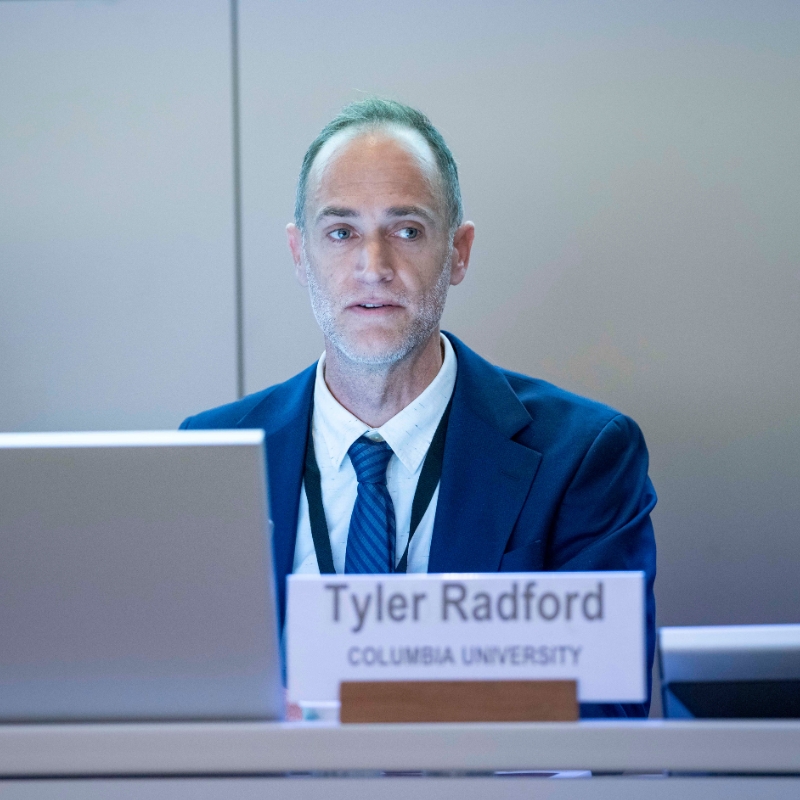
Women-led businesses are not behind on AI, it’s our support that’s falling short.
Tyler Radford
Lecturer and Advisor
School of International and Public Affairs, Columbia University
The toolkit is one step in ITC’s broader work to help small businesses benefit from and drive the digital transition, as set out in its Strategic Plan 2026–2030. It will also inform ITC’s work with ministers following the call to action endorsed at the first Global SME Ministerial Meeting in Johannesburg in 2025, which named the responsible adoption of AI as a shared challenge for small businesses. Ministers will meet again for the second edition in Geneva next May.
‘We hope that as more women entrepreneurs use this toolkit, they can share their insights with us,’ said Dorothy Tembo.
‘We hope that as more women entrepreneurs use this toolkit, they can share their insights with us,’ said Dorothy Tembo.
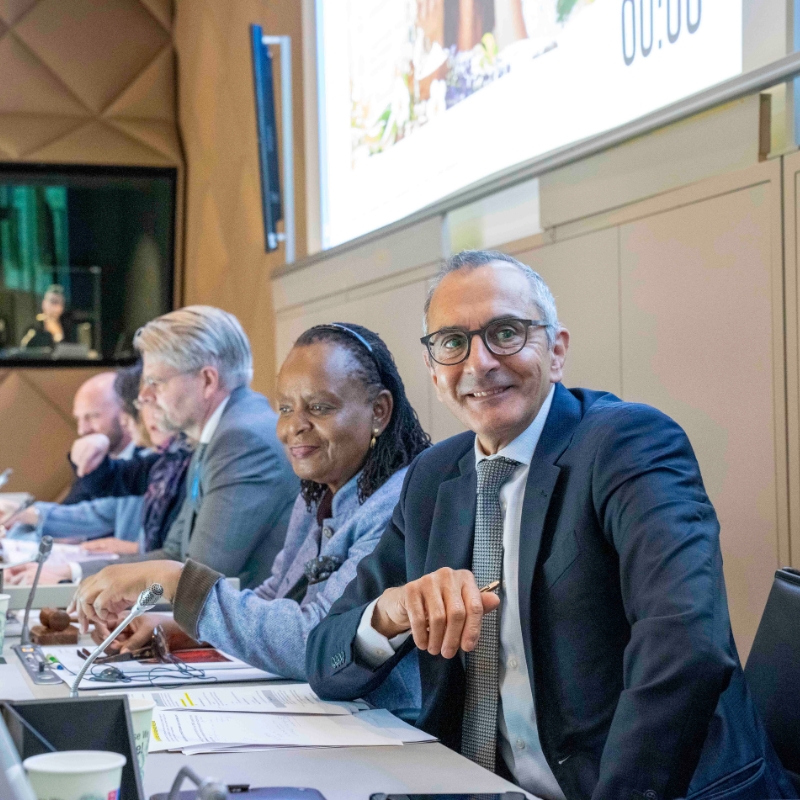
We welcome the launch today of ITC Artificial Intelligence Toolkit for women-led businesses, developed with Switzerland’s support. This practical tool, grounded in fieldwork, will help women entrepreneurs develop AI skills, make better decision-making and grow their export businesses around the globe.
H.E. Erwin Bollinger
Ambassador, Head of the Swiss Permanent Mission to the WTO and EFTA in Geneva
State Secretariat for Economic Affairs (SECO), Switzerland
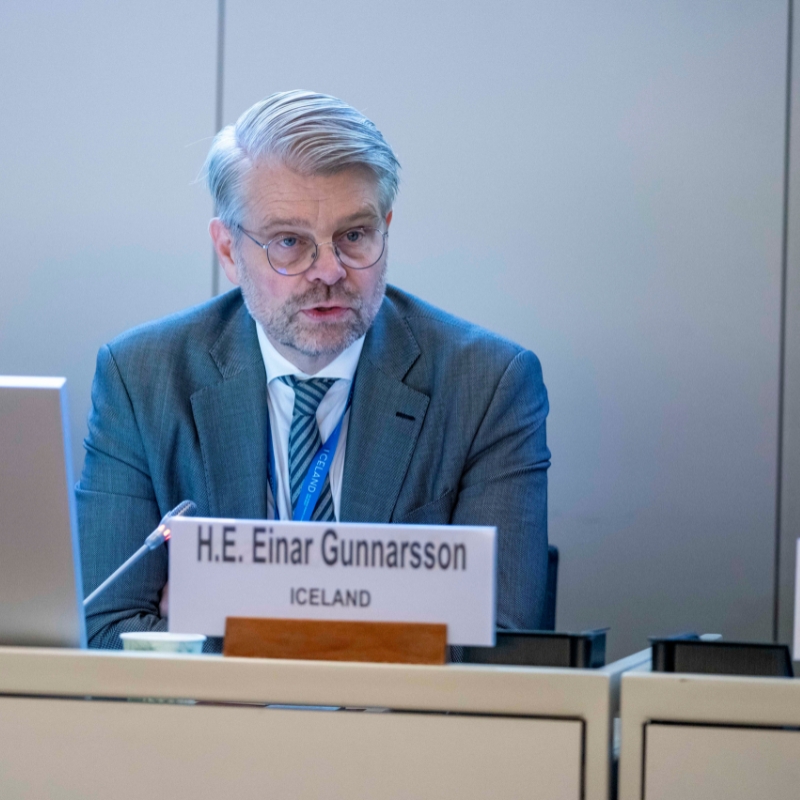
Our objective should be to create an environment where innovation can flourish while ensuring that AI is developed and used in a way that people can trust. We believe that the new toolkit is a step in this direction.
H.E. Einar Gunnarsson
Permanent Representative of Iceland to the International Organisations in Geneva and Ambassador to Switzerland
Government of Iceland
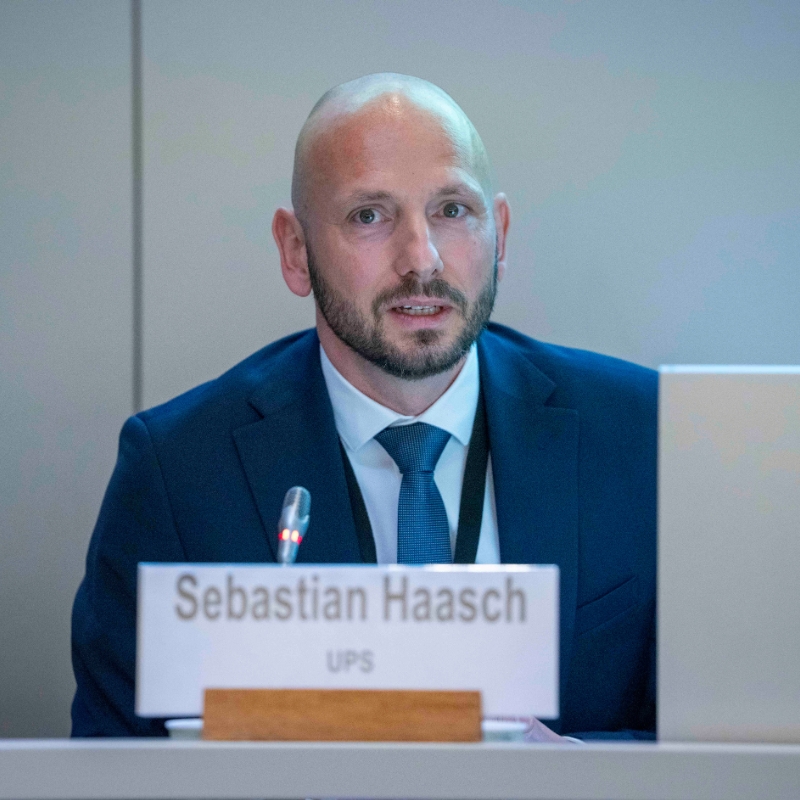
[This toolkit] reflects an ambition that UPS shares with ITC: ensuring that entrepreneurs and small businesses are not simply participants in global trade, but are equipped to compete, innovate and grow within it.
Sebastian Haasch
Country Sales Manager for Switzerland
UPS
ITC and IPEME launch SheTrades Mozambique Hub, marking ninth in Africa
3 MIN READ
Press release
Mozambique
28 OCTOBER 2026
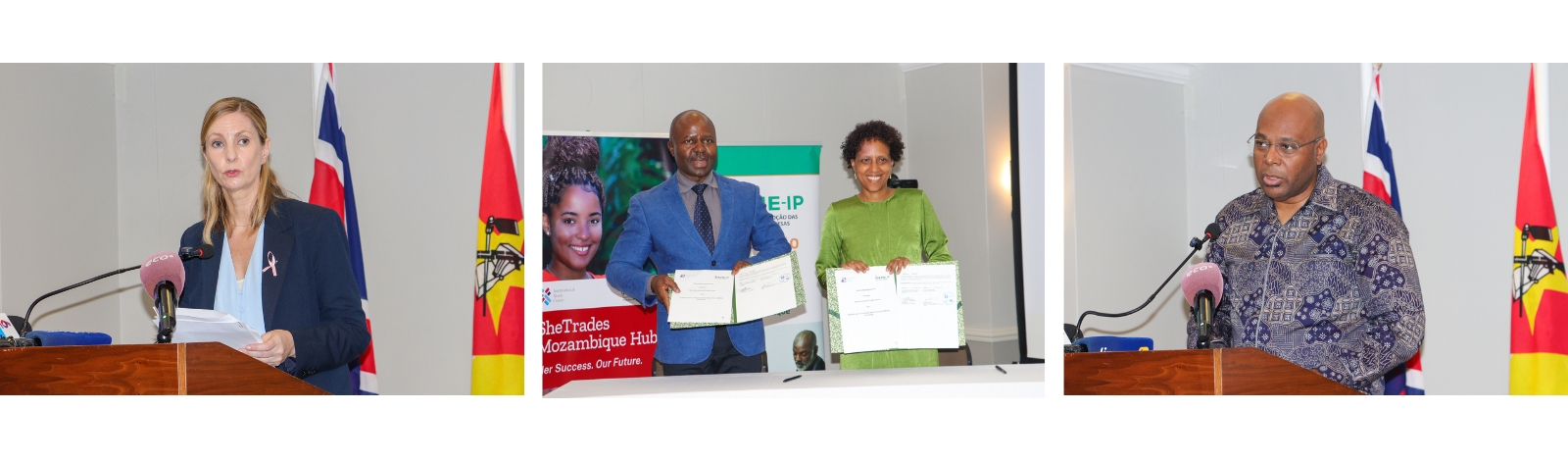
(Maputo) – Mozambique’s Institute for the Promotion of Small and Medium Enterprises (IPEME) was today announced as the host of the SheTrades Mozambique Hub, in partnership with the International Trade Centre (ITC) and supported by the Government of the United Kingdom.
The SheTrades Hub will equip Mozambican women entrepreneurs with the knowledge and tools to strengthen their export competitiveness and open doors to buyers, finance and investment, as well as partners in the public and private sectors.
With the launch, IPEME joins a global network of 22 SheTrades Hubs across Africa, Asia, Latin America and the Caribbean, the Middle East and North Africa, promoting South-South trade and knowledge sharing within the Hub community.
As the Hub’s host institution, IPEME will learn from other Hubs in southern Africa to design and deliver services for their members, grow membership and raise funds. ITC, together with the British High Commission in Mozambique, will provide advisory services to IPEME staff to ensure sustainability of the Hub.
IPEME General Director Felix Malate and ITC SheTrades Initiative Head Judith Fessehaie signed a partnership agreement to formally launch the Hub, witnessed by H.E. António Grispos, Secretary of State for Trade, Mozambique, and the British High Commissioner to Mozambique H.E. Helen Lewis, alongside government representatives, women entrepreneurs, buyers, financial institutions, business support organizations and private-sector partners.
IPEME General Director Felix Malate said: ‘Through the SheTrades Mozambique Hub, IPEME promotes the economic empowerment of women entrepreneurs, small businesses and cooperatives, strengthening their capacities, access to investment and integration into national, regional and global markets, with a particular focus on the agri-food sector.’
Judith Fessehaie said: ‘We are delighted about the launch of this Hub, which builds on our work in Mozambique since 2023. As the fourth SheTrades Hub in southern Africa, Mozambique stands to benefit from regional trade within continent and beyond. We look forward to working with IPEME to position Mozambican women to trade more and on better terms.’
This work comes under the ITC Making Trade Happen project, funded by the United Kingdom, reflecting the country’s commitment to empowering women entrepreneurs, expanding trade opportunities, and building strong local institutions that can drive inclusive and sustainable economic growth in Mozambique.
Building on the project’s activities, the Hub will support women-led businesses in Mozambique to connect with buyers in the United Kingdom and globally. The launch of the Hub follows trade missions organized by ITC that have resulted in nearly $8 million in estimated annual business leads.
British High Commissioner H.E. Helen Lewis said: ‘Women-led businesses are a powerful driver of economic growth, innovation and job creation in Mozambique. The SheTrades Hub builds on the United Kingdom’s longstanding support for women entrepreneurs and will help create a more sustainable ecosystem where businesses can connect to new markets, investment and opportunities. As members of the Commonwealth family, we believe that stronger trade links and partnerships are key to delivering shared prosperity.’
The launch comes at the start a series of Make Trade Happen activities in Mozambique, all aiming to strengthen women-led businesses’ capacity to export.
Notes for the editor
About IPEME – IPEME is the public institution dedicated to promoting, developing and strengthening micro, small and medium-sized enterprises in Mozambique. It supports entrepreneurship and competitiveness through business development services, partnerships and programmes designed to strengthen the national MSME ecosystem.
About the ITC SheTrades Initiative – The International Trade Centre’s SheTrades Initiative works with governments, the private sector and business support organizations to remove barriers to women’s participation in trade. SheTrades Hubs are locally hosted platforms that deliver in-country support, strengthen local ownership and connect women-led businesses to knowledge, networks and market opportunities.
About Making Trade Happen – The Making Trade Happen (MTH) project, funded by the UK government, builds on the achievements of the UK Trade Partnerships (UKTP) and SheTrades Commonwealth+ (STC+) programmes to strengthen the long-term capacity of trade institutions and SMEs. By embedding technical expertise within national trade support organizations, facilitating commercial partnerships, and helping exporters navigate evolving market requirements, MTH project aims to transform preferential market access into tangible trade opportunities, institutional resilience and lasting sustainable economic growth.
About the International Trade Centre – The International Trade Centre is the joint agency of the World Trade Organization and the United Nations. ITC assists small and medium-sized enterprises in developing and transition economies to become more competitive in global markets, thereby contributing to sustainable economic development within the frameworks of the Aid-for-Trade agenda and the United Nations’ Sustainable Development Goals.
For more information, visit www.intracen.org.
Follow ITC on Twitter | Facebook | LinkedIn | Instagram | Flickr
Timor-Leste reviews how its trade policies affect women-led businesses
A SheTrades Outlook assessment by the International Trade Centre (ITC) shows that the country’s laws for women are strong, and recommends next steps for its trade institutions.
3 MIN READ
PRESS RELEASE
Timor-Leste
20 OCTOBER 2026
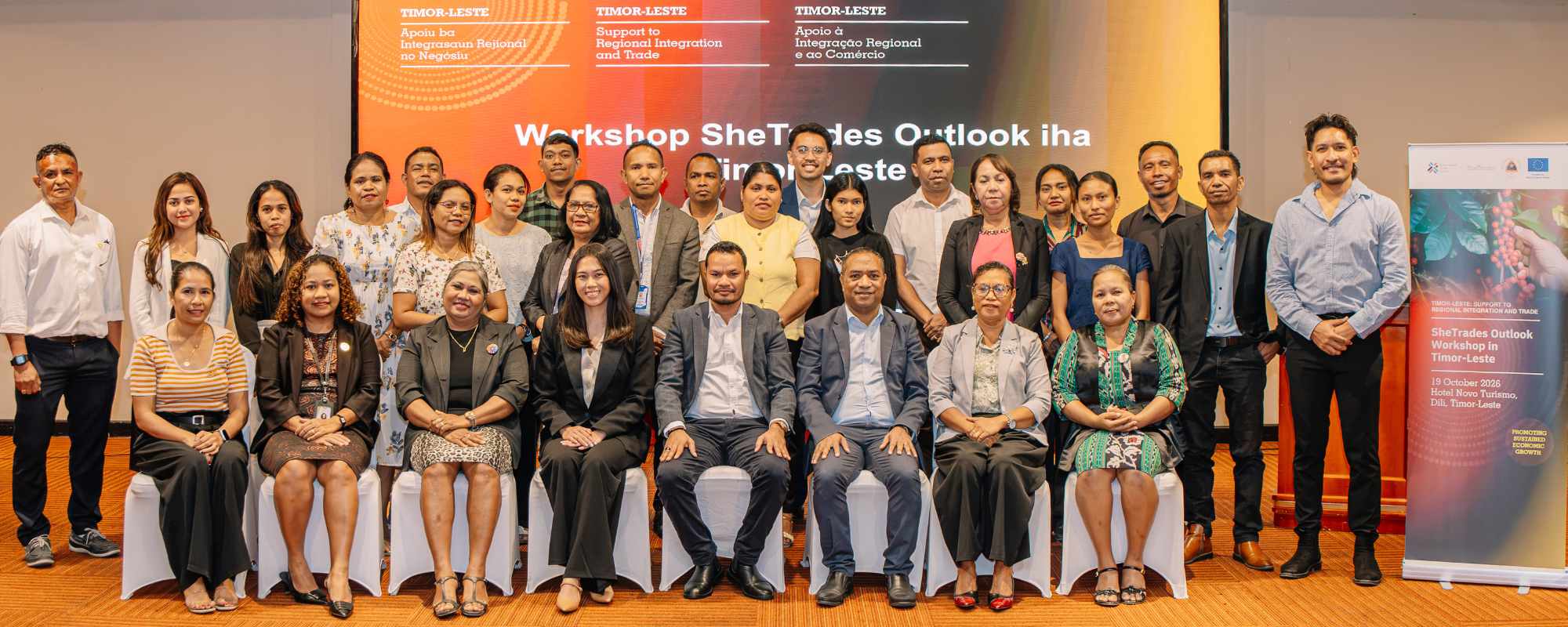
Dili — Director General for Ministério do Comércio e Indústria (Ministry of Industry of Commerce and Industry), Jorge Ferreira, opened a national workshop in Dili on Monday 19 October to review how the country’s trade policies affect women-led businesses.
The workshop discussed the findings of SheTrades Outlook, a policy tool of ITC’s SheTrades Initiative. For the assessment, ITC interviewed 18 Timorese organizations, including government ministries, the central bank and the Associação Empresarial das Mulheres de Timor-Leste (Timor-Leste Businesswomen Association, or AEMTL). The results are published in Policy Insights on Women and Trade: Timor-Leste and is also available in Tetum.
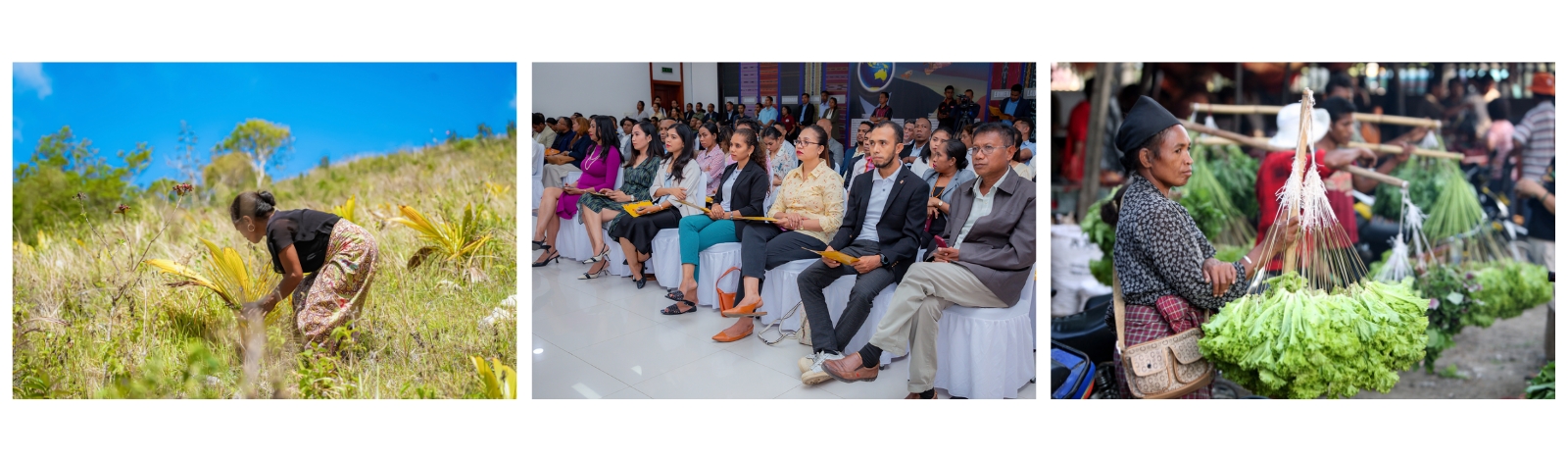
Timor-Leste joined the World Trade Organization in 2024 and the Association of Southeast Asian Nations (ASEAN) in 2025. Its next trade agreements could open larger markets for Timorese businesses, including women-led businesses in agriculture and tourism – two sectors the government has prioritized for growth.
‘A new challenge awaits: how to make sure that this new era in Timor-Leste’s history also opens up concrete economic opportunities for women,’ said Dorothy Tembo, Deputy Executive Director of ITC. ‘As the SheTrades Outlook assessment shows, Timor-Leste is already well on its way.’
Key findings and recommendations include:
-
Timor-Leste’s laws are its strongest area. Women have the same rights as men to own and inherit property, and to equal pay for work of equal value.
-
Targeted training and technical support for women-led businesses would let more of them enter new value chains, particularly in agriculture and tourism.
-
Consulting women’s business associations, such as AEMTL, regularly on trade policy would help new policies and agreements reflect what women-led businesses need.
-
Publishing all government tenders, large and small, on the e-procurement platform would let more small and women-owned businesses bid for government contracts.
-
Using one internationally agreed definition of women-led and women-owned businesses would help institutions see who their support reaches.
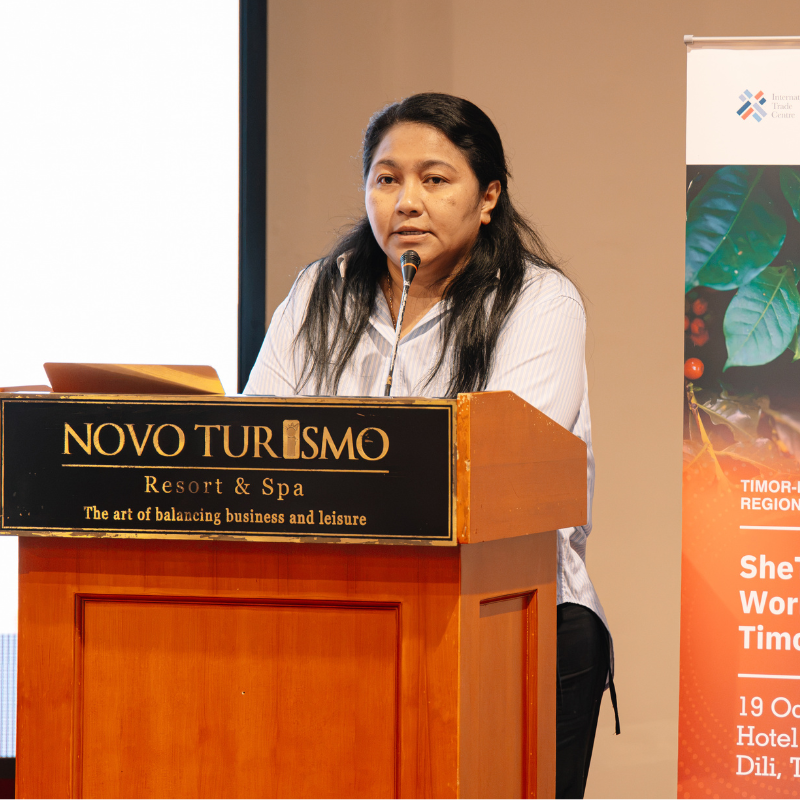
AEMTL has an important role in translating the SheTrades Outlook recommendations into concrete actions for women entrepreneurs in Timor-Leste. Through our work on advocacy, capacity building, leadership and market access, and as a member of the ASEAN Women Entrepreneurs Network (AWEN), we can help ensure these priorities respond to women-led businesses’ needs. We look forward to collaborating with government, business support institutions and potentially ITC to advance implementation, mobilize our network and create tangible opportunities for our members.
Hergui Luina Fernandes Alves
President
Associação Empresarial das Mulheres de Timor-Leste (AEMTL)
President
Associação Empresarial das Mulheres de Timor-Leste (AEMTL)
At the workshop, the Ministry of Commerce and Industry, the Secretária de Estado da Igualdade (Secretary of State for Equality) and AEMTL shared their experience in incorporating gender into their policies and programmes. Participants then discussed the main barriers women face in business and trade, the actions needed, which institutions should lead them, and the time and resources each would require.
The workshop was organized by ITC’s SheTrades Initiative, the Ministry of Commerce and Industry and the Secretary of State for Equality, under the project Support to Regional Integration and Trade in Timor-Leste, which is funded by the European Union and implemented by ITC.
The workshop was organized by ITC’s SheTrades Initiative, the Ministry of Commerce and Industry and the Secretary of State for Equality, under the project Support to Regional Integration and Trade in Timor-Leste, which is funded by the European Union and implemented by ITC.
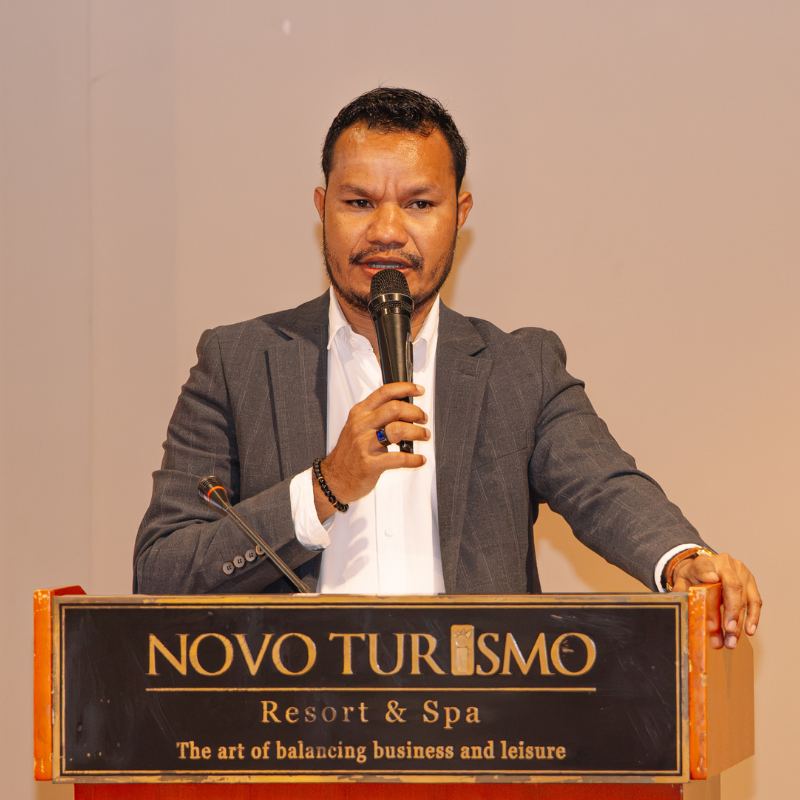
Timor-Leste has already made important progress in putting measures in place to support women’s participation in trade and economic activities. This workshop, organized in close collaboration with the Secretary of State for Equality and ITC, provides an important opportunity to build on these efforts and take forward the recommendations from SheTrades Outlook, particularly as Timor-Leste integrates into ASEAN.
Jorge Ferreira
General Director for Industry
Timor-Leste Ministry of Commerce and Industry
General Director for Industry
Timor-Leste Ministry of Commerce and Industry
Notes for the editor
About the International Trade Centre – ITC is the joint agency of the World Trade Organization and the United Nations. ITC helps small and medium-sized enterprises in developing and transition economies become more competitive in global markets, contributing to sustainable economic development within the Aid-for-Trade agenda and the United Nations Sustainable Development Goals.
For more information, visit www.intracen.org.
For more information, visit www.intracen.org.
About ITC SheTrades Initiative and SheTrades Outlook – The International Trade Centre’s SheTrades Initiative works with governments, the private sector and business support organizations to remove barriers to women’s participation in trade. SheTrades Hubs are locally hosted platforms that deliver in-country support, strengthen local ownership and connect women-led businesses to knowledge, networks and market opportunities.
SheTrades Outlook is ITC’s policy tool to promote more inclusive policies and data. It helps stakeholders assess, monitor and improve the institutional ecosystem for women’s participation in international trade, using quantitative and qualitative data across six policy pillars. It also hosts a repository of good practices on women’s economic empowerment policies and programmes. SheTrades Outlook currently covers 70 developed and developing countries. Based on its results, ITC has provided technical assistance to policymakers in 20 countries to mainstream gender into trade and trade-related policy.
About the EU-funded programme “Support to Regional Integration and Trade in Timor-Leste” – Timor-Leste is entering a new chapter in its economic development. Its accession to the World Trade Organization and ASEAN has opened new opportunities to strengthen its economy, attract investment and connect its businesses and people to regional and international markets. Turning these opportunities into lasting, inclusive growth requires strong institutions, effective policies and a private sector equipped to compete and thrive.
Funded by the European Union and implemented by the International Trade Centre (ITC), the project Support to Regional Integration and Trade in Timor-Leste supports the country throughout this journey. Working closely with the Government, the National Parliament, the private sector and civil society, it provides practical, tailored assistance to advance regional and international economic integration and translate trade commitments into meaningful results.
Timor-Leste’s trade ambitions hinge on women’s economic participation
The Southeast Asian country has opened its doors to new regional and global trade opportunities, but realizing their full benefits requires women’s greater participation in the economy, supported by policy reforms.
3 MIN READ
NEWS UPDATE
TIMOR-LESTE
6 OCTOBER 2026
As Timor-Leste prepares to enter a deeper phase of economic integration, a new report by the International Trade Centre (ITC) argues that the country’s future growth will depend on how effectively it brings women into the heart of its trade agenda.
Policy Insights on Women and Trade: Timor-Leste, released through ITC’s SheTrades Outlook initiative, outlines how the country can use its recent accessions to the World Trade Organization and the Association of Southeast Asian Nations to diversify its export base and unlock women’s economic potential. The report highlights these accessions as a pivotal moment in the country’s economic trajectory and an opportunity for inclusive development.
For one of the world’s youngest nations, these milestones open the door to broader trade partnerships, new markets, and a more predictable environment for private-sector development. But these opportunities will only translate into meaningful gains for women-led businesses if gender-responsive policies and tailored support ensure women’s full engagement in international value chains, the report notes.
‘These are not easy times for global trade, nor for efforts around the world to make economies more inclusive,’ says ITC Executive Director Pamela Coke-Hamilton. ‘That is precisely why now is the time to scale up efforts that support women’s economic empowerment and ensure that the progress made towards greater equality and more resilient prosperity is not lost.’
Taking stock of the current landscape
Drawing on data from 16 national institutions and two private-sector organizations, the paper assesses progress across six pillars: trade policy, legal and regulatory frameworks, business environment, access to skills, access to finance, and work and society. It finds that Timor-Leste has laid important groundwork. National strategies reflect gender considerations, laws guarantee equal rights and protections, and institutions offer business support services, training programmes, and digital financial tools.
Yet challenges remain. Gender-disaggregated data are inconsistently collected, gender is not yet mainstreamed in trade policy and agreements, and public procurement processes are not designed to actively include women-led firms. Access to finance also remains uneven, with few trade-finance schemes tailored to women exporters.
Yet challenges remain. Gender-disaggregated data are inconsistently collected, gender is not yet mainstreamed in trade policy and agreements, and public procurement processes are not designed to actively include women-led firms. Access to finance also remains uneven, with few trade-finance schemes tailored to women exporters.
Closing the gaps through targeted measures
The report outlines a series of reforms that could help close these gaps. The Ministry of Commerce and Industry can support women-led businesses’ entry and integration into global value chains through technical assistance and targeted training.
Policymakers must negotiate and sign more trade agreements, engage women’s business groups such as the Timor-Leste Businesswomen Association in consultations, include gender provisions, and conduct ex-ante and ex-post gender impact assessments to ensure that women benefit from the growing export sector and the opportunities arising from greater trade integration. The report also recommends adopting a standard definition of women-led businesses and strengthening staff capacity to apply it, which would help create more consistent policy implementation and reporting.
Other recommendations focus on Customs procedures, public procurement, and targeted training. Training Customs officials to identify gender-specific barriers, consolidating and publishing public procurement tenders, and providing targeted training to women-led businesses on skills, entrepreneurship, and exporting would help build a more inclusive trade and business ecosystem.
Financial institutions also have a role to play. The report calls for trade-finance schemes such as export guarantees and letters of credit and venture-capital programmes to support women-led start-ups. Embedding gender considerations into national innovation initiatives, including Timor Digital 2032, could further strengthen women’s entrepreneurship.
As Timor-Leste steps onto a larger global stage, the report’s message is clear: sustained growth will depend not only on new trade agreements, but on who gets to benefit from them.
ITC and DHL renew partnership to help small businesses trade
3 MIN READ
Press release
Switzerland
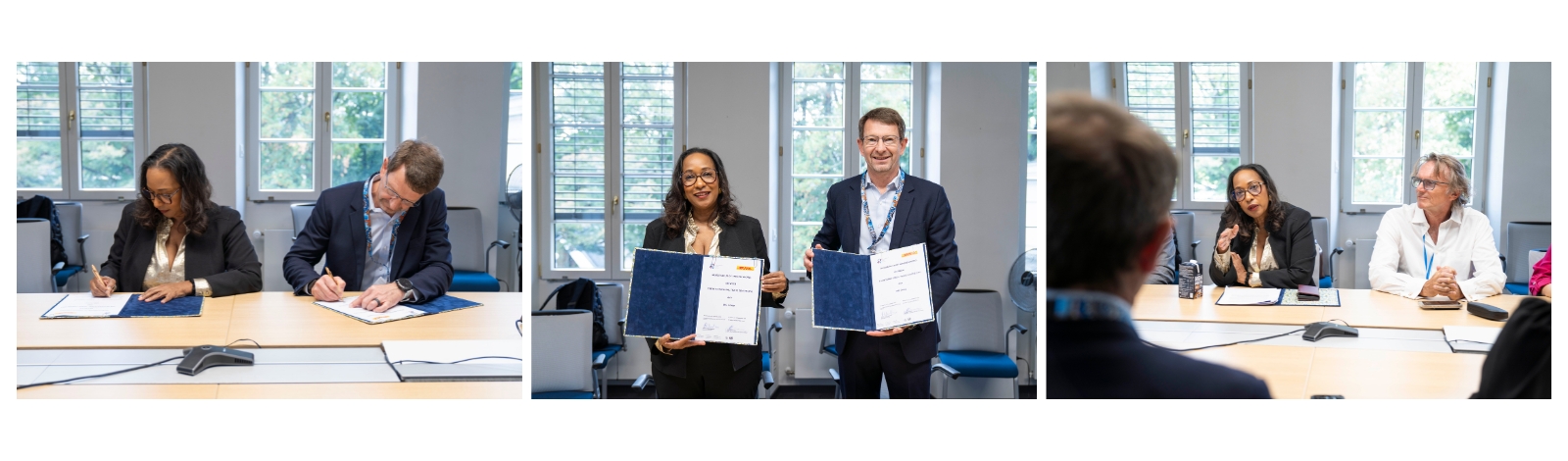
16 SEPTEMBER 2026
(Geneva) — The International Trade Centre (ITC) and DHL today signed a memorandum of understanding to deepen their long-standing collaboration supporting small and medium-sized enterprises (SMEs), particularly women-led businesses, to trade across borders.
The agreement combines ITC’s expertise in market intelligence, SME development and inclusive trade with DHL’s global logistics network and technical expertise. SMEs account for around 90% of businesses globally, provide roughly 70% of employment and contribute 70% of global GDP, making them play a critical role in driving growth and job creation, yet many continue to face barriers to participating fully in international trade. This partnership aims to strengthen the ecosystem of support that helps businesses overcome those barriers and access new opportunities.
Under the agreement, ITC and DHL will:
-
Support small businesses with cross-border trade, covering exports, supply chains and logistics;
-
Work with business support organizations and ITC SheTrades Hubs to improve their services for small and women-led businesses;
-
Advocate for small businesses and women entrepreneurs in global discussions and at high-level events, as well as among private sector organizations and government agencies.
Over the past decade, ITC and DHL have worked together through DHL GoTrade, ITC SheTrades, and the ITC ecomConnect programme, reaching small businesses across more than 60 countries across Africa, ASEAN, Latin America and the Caribbean. The partnership has combined training with tailored support, including shipping assistance for SMEs and women-led businesses, and has extended to advocacy and high-level dialogue that amplifies the voice of small businesses in global trade discussions. In July 2025, DHL took part as a private-sector champion at ITC’s inaugural Global SME Ministerial Meeting in Johannesburg, South Africa.
ITC Executive Director Pamela Coke-Hamilton said: ‘For small businesses, the main challenge is not in creating quality products for customers, but getting it to them. That’s why we’re deepening our work with DHL to help more small businesses, particularly women-led businesses, to overcome last-mile logistics barriers and reach new markets, and to ensure their perspectives are heard at decision-making tables.’
Hennie Heymans, CEO, DHL Express Sub-Saharan Africa, said: ‘SMEs are the backbone of economies worldwide, yet their participation in international trade remains disproportionately low. The challenge is rarely a lack of ambition. More often, businesses need access to knowledge, finance, digital capabilities and logistics support. That is why partnerships like this matter. By bringing together the right partners, we can build the ecosystems that help businesses grow with confidence, reach new customers and unlock the opportunities that international trade creates.’
Notes for the editor
About the ITC and DHL partnership – DHL and ITC have partnered since 2016 to advance inclusive trade. Results to date include:
-
DHL GoTrade: Since 2021, projects launched in more than 60 countries, reaching over 26,000 SMEs and 8,000 women-owned businesses through training on logistics, e-commerce and trade.
-
ITC SheTrades: Since 2018, ITC SheTrades and DHL have worked together to provide technical assistance, logistics know-how and shipping solutions to women-led businesses, reaching over 4,000 women-led businesses across 60 countries. The partnership has increasingly worked through local ecosystems, engaging SheTrades Hubs in Kenya, South Africa, Mauritius and Trinidad and Tobago to connect women-led businesses with DHL country offices, relevant expertise and opportunities.
-
ITC ecomConnect: Between 2020 and 2024, connected more than 400 SMEs with DHL support, including preferential shipping arrangements that cut costs by up to 60% in selected markets.
About DHL – DHL is the leading global brand in the logistics industry. Our DHL divisions offer an unrivaled portfolio of logistics services ranging from national and international parcel delivery, e-commerce shipping and fulfillment solutions, international express, road, air and ocean transport to industrial supply chain management. With approximately 389,000 employees in more than 220 countries and territories worldwide, DHL connects people and businesses securely and reliably, enabling global sustainable trade flows. With specialized solutions for growth markets and industries including technology, life sciences and healthcare, engineering, manufacturing & energy, auto-mobility and retail, DHL is decisively positioned as “The logistics company for the world”.
DHL is part of DHL Group. The Group generated revenues of approximately 82.9 billion euros in 2025. With sustainable business practices and a commitment to society and the environment, the Group makes a positive contribution to the world. DHL Group aims to achieve net-zero emissions logistics by 2050.
DHL is part of DHL Group. The Group generated revenues of approximately 82.9 billion euros in 2025. With sustainable business practices and a commitment to society and the environment, the Group makes a positive contribution to the world. DHL Group aims to achieve net-zero emissions logistics by 2050.
About ITC SheTrades – The SheTrades Initiative is the International Trade Centre’s flagship women and trade programme. It works with women, business support organizations, policymakers and value chain actors to strengthen the people, ecosystems, and policies that enable women to participate in and benefit from trade.
About the International Trade Centre – ITC is the joint agency of the World Trade Organization and the United Nations. ITC assists small and medium-sized enterprises in developing and transition economies to become more competitive in global markets, thereby contributing to sustainable economic development within the frameworks of the Aid-for-Trade agenda and the United Nations’ Sustainable Development Goals.
For more information, visit www.intracen.org.
Follow ITC on X | Facebook | LinkedIn | Instagram | Flickr
For more information, visit www.intracen.org.
Follow ITC on X | Facebook | LinkedIn | Instagram | Flickr
Media contacts
Susanna Pak
Senior Strategic Communications Officer
Office of the Executive Director
International Trade Centre
E: press@intracen.org
Dirk Heinrichs
Press Spokesperson Global/EMEA
DHL Express
E: dirk.heinrichs@dhl.com
Senior Strategic Communications Officer
Office of the Executive Director
International Trade Centre
E: press@intracen.org
Dirk Heinrichs
Press Spokesperson Global/EMEA
DHL Express
E: dirk.heinrichs@dhl.com
Women lead change in Saudi Arabia’s digital economy with ITC SheTrades and Visa
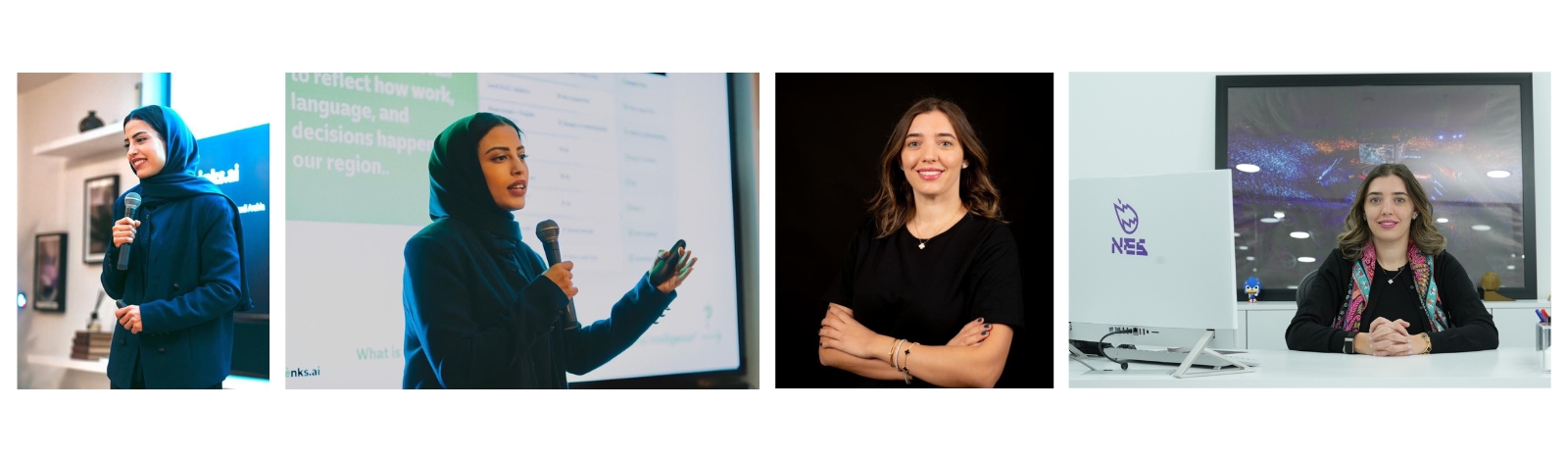
Entrepreneurs like Rawan Almogbil and Kristina Stephan are making their mark in Saudi Arabia’s high-growth digital economy, which is often dominated by men. Saudi Arabia’s Vision 2030 calls for diversifying the economy, in part by embracing technology. The results are measurable: Saudi women now own 45% of the Kingdom’s small businesses, and their participation in the tech sector – at 28% – already surpasses the European average of 17.5%.
With support from ITC SheTrades and Visa, women like Rawan and Kristina are growing their artificial intelligence and esports businesses, bringing more women in Saudi Arabia into their teams.
With support from ITC SheTrades and Visa, women like Rawan and Kristina are growing their artificial intelligence and esports businesses, bringing more women in Saudi Arabia into their teams.
5 MIN READ
success story
Saudi Arabia
7 SEPTEMBER 2026
Visa’s support goes beyond recognition: through the She’s Next programme, Visa equips women entrepreneurs with funding, mentorship, and business skills, breaking down the systemic barriers that have historically kept women-led SMEs from competing at scale and driving inclusive economic growth across the GCC.
Rawan Almogbil: From law to AI leadership
When Rawan founded Lenks.ai, she moved from what she calls ‘micro’ to ‘macro’ impact, shifting from representing individuals as a lawyer to running companies that hire people, develop products and contribute to economic growth. ‘Why can’t we dream bigger than what we used to imagine for ourselves?’ she asks.
Her entrepreneurial journey began in 2019 with a pitch for an online tutoring platform. Rawan’s business model faced scepticism. But when the COVID-19 pandemic pushed the world online, the value of digital solutions became irrefutable. ‘After being told that my idea wouldn’t work, suddenly I was watching tech solutions take off around me. They kept us connected and helped us get through those isolated years.’
Rawan’s path was not straightforward. Three of her five startups failed. But she frames her failures as part of her own education. Entrepreneurship, she says, is never safe. ‘Every decision is riskier than the last. But three business failures taught me how to manage risk and deliver real value to people.’
Those lessons culminated in Lenks.ai, now valued at over $30 million. The platform uses AI to capture meeting insights and convert them into clear next steps. It also uses sentiment analysis and natural language processing to pick up nuance, such as whether attendees were resistant to or supportive of certain ideas raised during meetings.
One feature matters especially in Saudi Arabia: Lenks.ai keeps its data in-country. Sensitive conversations and data are stored locally, rather than on foreign servers. This means national information stays within national borders.
In her 13-person team, most of them women, Rawan was adamant about building a people-first culture. Policies include flexible sick leave that accounts for women’s menstrual health – benefits that go beyond standard labour requirements in the Saudi Arabia.
Rawan is currently in London as part of an elite cohort of founders expanding Saudi Arabian-built AI technologies in the United Kingdom market. Her ability to reach international markets is a direct reflection of the networks and capacity-building support made possible through Visa She’s Next and ITC SheTrades programmes.
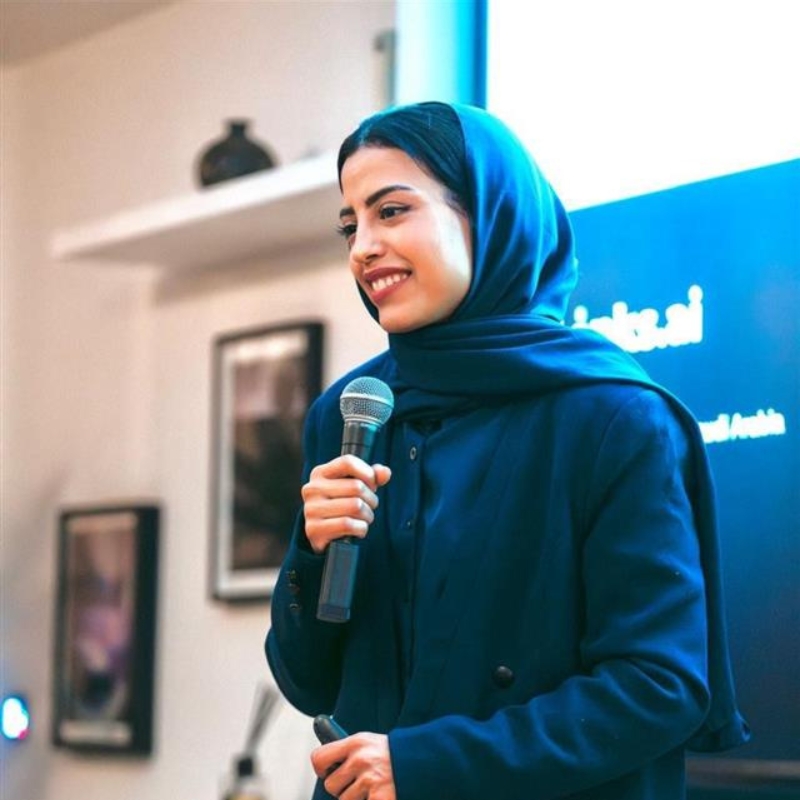
Why can’t we dream bigger than what we used to imagine for ourselves?
Rawan Almogbil
Founder, Lenks.ai
Kristina Stephan: Engineering the future of esports
Nearly 1,000 kilometres away in Riyadh, Kristina – an entrepreneur who built her career across the Gulf region before settling in Saudi Arabia – is creating a different kind of infrastructure.
A civil engineer by training, Kristina spent a decade in Qatar’s construction industry before turning to gaming and esports in 2020. The shift may appear dramatic, but to her, operational leadership travels. ‘Administration, HR, legal, finance and procurement,’ she says, ‘are competencies that transcend sectors.’
After relocating to Saudi Arabia, she co-founded Nesma Esports, which operates across event management, media production and influencer management. After persistent networking in Riyadh’s business community, the company secured a major milestone: a partnership with FIFA headquarters in Switzerland. Access to structured networking, a core pillar of Visa’s She’s Next programme, played a role in opening doors to partnerships of this scale.
Kristina is attuned to Saudi Arabia’s market dynamics. Nearly 50% of all gamers in the Saudi Arabia are women. This reshapes commercial strategy and challenges assumptions about who belongs in tech and gaming spaces.
With experience in construction and a background in aviation – sectors still dominated by men – she says her primary challenges are less about gender-based discrimination and more about the pressures of leadership while raising children.
She launched companies while pregnant and caring for newborns. Once, she submitted a business pitch from the hospital while in labour because she was the only partner with portal access. ‘It’s just nonstop,’ she says. ‘That’s start-up life.’
Rather than striving for ‘work-life balance’, Kristina advocates for ‘work-life integration.’ She is candid about delegating domestic responsibilities so she can stay focused at work. ‘It’s never going to be the right time,’ she says. ‘The stars are never all going to line up – work, home, family. All you can do is come prepared with skills and ambition.’
She also speaks openly about decision fatigue and the mental load many working mothers have to carry. For Kristina, justice begins at home – challenging the expectation that women must perform perfection in every role. She focuses instead on quality time with her children and honesty about her limits.
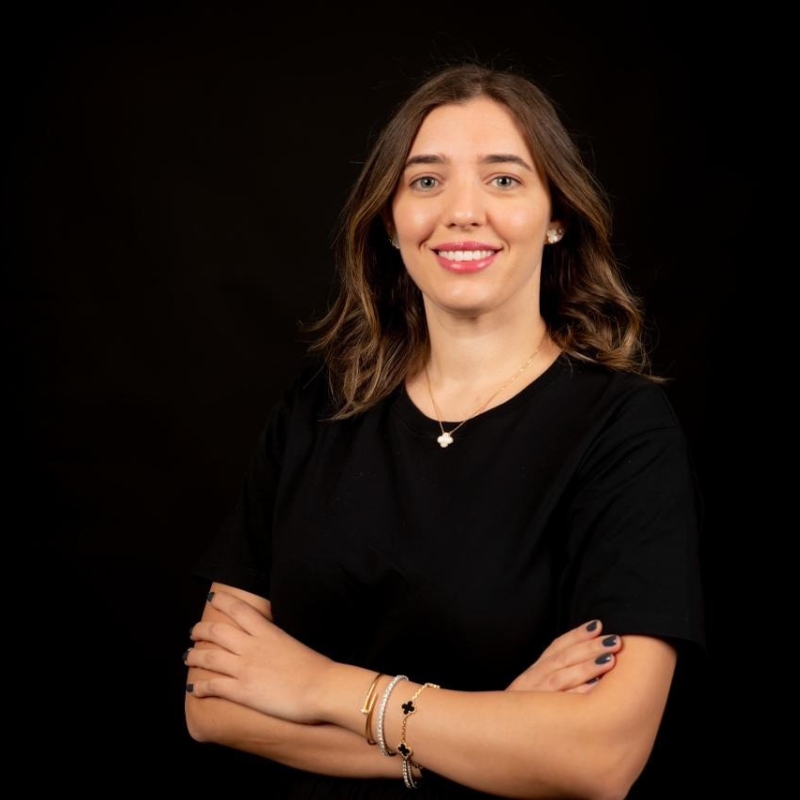
The stars are never all going to line up – work, home, family. All you can do is come prepared with skills and ambition.
Kristina Stephan
Co-founder, Nesma Esports
Leadership in community
Rawan and Kristina are not outliers. Over 550,000 women in Saudi Arabia registered businesses in 2023 alone – a figure that reflects both government ambition and a generation of women choosing entrepreneurship.
Both Rawan and Kristina attended an ITC SheTrades and Visa GCC workshop in Riyadh, focused on leadership under pressure. Funded and facilitated through Visa’s She’s Next programme, the workshop was designed to give women entrepreneurs more than knowledge, it gave them a community, a shared language for leadership, and direct access to peers navigating the same high-growth pressures. In a space set up for candid exchange, they found something often missing in fast-growth sectors: community.
For Rawan, the experience eased what she calls the ‘lonely journey’ of entrepreneurship. The workshop reminded her that ambition does not have to be isolating.
Kristina says the workshop prompted self-reflection. Open discussions about leadership styles and decision-making sharpened her awareness of how she shows up as a founder. It also sparked a desire to move into mentorship and coaching, helping other women launch businesses with clear thinking and less second-guessing.
The workshop placed their leadership journeys within a wider network of support.
Rights. Justice. Action.
Rawan and Kristina exercise their rights by making bold career pivots, leading in sectors dominated by men, and choosing not to shrink their ambitions.
Their justice is practical: protecting national data, restructuring domestic expectations, and creating workplace cultures that support women’s participation.
Their action is measurable: growing a multimillion-dollar AI business, securing international partnerships, and mentoring the next generation.
Rawan and Kristina reflect a Saudi Arabia in motion, one where women are not a minority in tech, but leaders driving Vision 2030 forward.
Visa’s commitment through She’s Next programme and ITC SheTrades partnership, is to ensure that momentum is matched with the funding, mentorship, and business skills that women-led SMEs need to compete globally and define the next chapter of inclusive growth in the region.
About the ITC SheTrades–Visa Programme
Implemented under Visa’s She’s Next initiative, the ITC SheTrades–Visa Gulf Region Programme supports women-owned and women-led businesses across the Gulf Cooperation Council (GCC) countries. Visa’s She’s Next programme drives this work by providing funding, mentorship, and practical business skills, equipping female entrepreneurs with the resources to break down systemic barriers, strengthen their competitiveness, and scale their businesses globally. Through capacity-building, coaching, networking and practical business support, the programme helps women entrepreneurs strengthen their competitiveness, embrace digitalization, access new opportunities and contribute to inclusive economic growth across the region.
‘We don’t just farm for ourselves anymore. We farm for markets.’
Across five districts of northern Uganda, women who once farmed for subsistence are now farming to sell. Five women from an ITC project show what made the difference.
3 MIN READ
success story
Uganda
12 AUGUST 2026
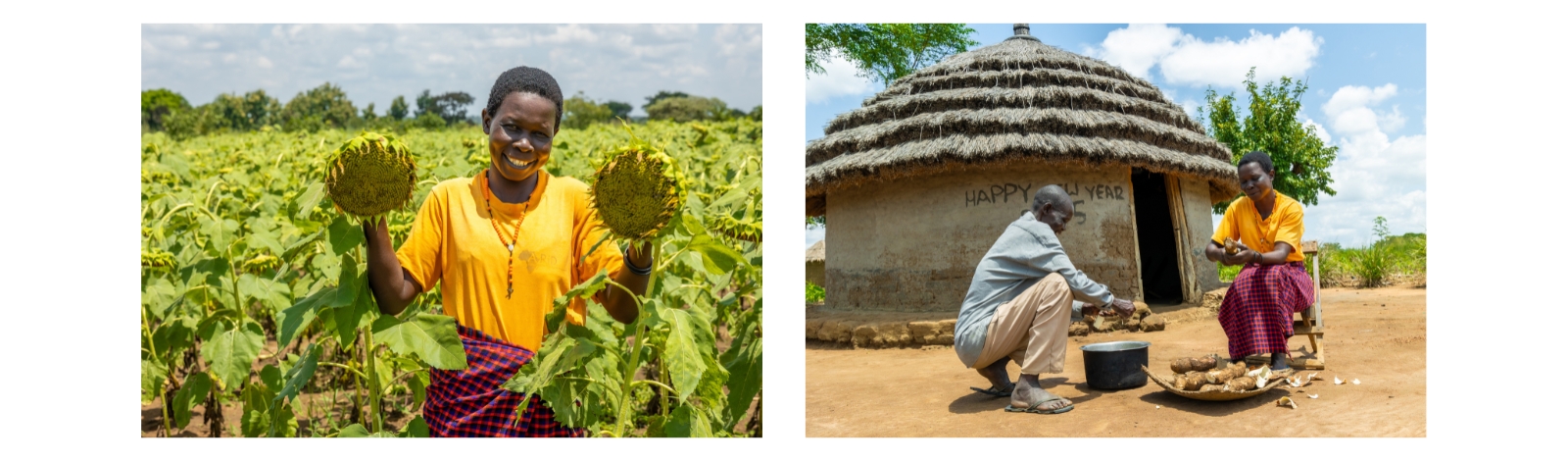
For years, Jackline Apidi grew sorghum, millet and maize on her land in Agago District. The crops fed her family and left nothing extra to sell. Millions of women across Uganda farm the same way: they make up more than half the country’s agricultural workforce, and in many households do more of the field work than men, yet they have long been kept out of the markets that turn a harvest into an income.
In 2026, the United Nations marks the International Year of the Woman Farmer, and one of the gaps it was created to spotlight is this: women feed nations but rarely earn from the markets that set prices. Under ITC’s STAR Uganda project, five women from the country’s north show what changes when they can reach those markets for themselves.
Jackline’s chance came through the Lapyem Wang Kiti Producer Group, where she learned to plant earlier, to use sunflower seed bred to mature quickly and withstand drought, and to dry and store her harvest under tarpaulins and in sealed, airtight bags so far less of it spoiled. Then she planted one acre of sunflower. She harvested 560 kilograms and sold them to a local aggregator at 2,000 shillings ($0.53) a kilo—a stable price that earned her 1.12 million shillings ($320). ‘The sunflower I planted helped me pay school fees for one of my children,’ she says. Jackline, now 38, has since expanded to five acres and mentors other women through the same shift.
In Northern Uganda, Anna Apio used to watch her cassava rot as she struggled to find buyers. Now she sells the 30 bags she grows each season to Thamini Utubora Afrika (TUA), a women-led business that mills cassava into flour and composite products. It pays her 400 shillings a kilo, nearly double the price local traders once offered. She has joined its savings group, where members borrow against the coming harvest rather than from a moneylender. The flour reaches buyers in Kenya, Europe and North America, and Anna has built a permanent home for her children. ‘Cassava is not only food,’ she says. ‘It is a business, a school fee, and a future for us.’
In Pader and Agago, women once gathered wild shea nuts that earned them almost nothing. Through Blessed Organic Release, they now supply a certified organic value chain that turns the nuts into Nilotica shea butter for cosmetics buyers in Europe, Asia and North America, in what the project reports as Uganda’s first certified organic shea butter export. The local price of that butter has risen from 25,000 to 45,000 shillings a kilo. The women who gather the nuts now earn a steady income, enough for several of them to cover school and university fees. They hold bank accounts in their own names, and many now cook with fuel briquettes made from pressed shea waste, rather than charcoal.
Nancy Abalo, a 23-year-old shea collector, has been trained in processing and soap making. While Nancy was writing her final school exams, she sold six sacks of shea nuts to Blessed Organic. ‘With that income, I paid my tuition and even supported my siblings,’ Nancy shared. ‘Now I’m studying Development Management at Gulu University and working part-time with Blessed Organics – the company that believed in me and got me here.’
In Kotido, Maria Lokure leads the Kalo Supa Farmers’ Group, once shut out of good seed and reliable buyers. The project linked her members to Agrimarks Farm Supplies, where they gained drought-tolerant seed on credit terms designed for women, along with training, aggregation services, and a route to regional markets for sesame, groundnuts, sunflower and soybeans. The once scattered, independent farm plots now produce as one coordinated supply. ‘We don’t just farm for ourselves anymore,’ Maria says. ‘We farm for markets.’
At Abim West Farmers’ Cooperative, where seven in ten members are women, farmers pool their harvests to reach institutional buyers such as the World Food Programme, local boarding schools and processors. With connections made through the STAR project, they also gained climate-smart seeds and a crop insurance pilot the cooperative hopes to extend to every member. The insurance has already paid out UGX 119 million ($32,000) in compensation, easing farmers’ risk and helping drive the cooperation’s commercial growth. It reports output up twelvefold since the pooling began, and women now sit on its board. As manager Susan Karungi puts it, buying from Abim West Farmers’ Cooperative doesn’t just support famers – it helps transform a community once known for cattle rustling into one of prosperous farmers.
With training, producer groups, and buyers at the end of value chains, the STAR project addresses one gap that the International Year of the Woman Farmer was created to highlight. When rural women reach markets, they stop farming to survive and start farming to sell.
About STAR Uganda
Strengthening Agribusiness Resilience and Competitiveness (STAR) operates across 10 districts in Northern and Northeastern Uganda, focusing on shea, cassava and oilseeds value chain. The project addresses the key challenges faced by SMEs and smallholder farmers in Uganda including limited market access, constrained access to finance, low bargaining power, high post-harvest losses, and increasing exposure to climate variability and shocks. STAR works with SMEs, producer groups, business support organizations, financial institutions, service providers, and policymakers to create more efficient, resilient, and market-oriented value chains. Through its integrated approach—linking enterprise growth, farmer capability, environmental sustainability, and resilience—STAR contributes to a more competitive and connected agribusiness landscape. Local enterprises are better positioned to drive transformation, farming households share in the gains, and markets function more effectively for people, communities, and the broader economy.
More women farmers and entrepreneurs in Ecuador are winning government contracts. Now the model goes to Africa and Asia
In four years, Ecuador trained 3,108 women in its farming and food sector to compete for public contracts, brought four new legal instruments into force, and secured the institutional commitments needed to sustain the reforms beyond its close.
5 MIN READ
news update
Ecuador
3 JULY 2026
Gabriela Moyón bid for a government contract for the first time in her life, and in March 2026, she won. She will spend the next two years supplying school meals to Ecuador’s Ministry of Education, preparing quinoa burgers and plant-based sandwiches from a kitchen in Quito. For a small producer, a two-year government contract is more stable than the open market: the buyer is known, the price is fixed, and the income is more predictable.
But before winning that contract, she was one of thousands of women shut out of this market.
Public procurement (the way governments buy goods and services) accounts for around 12% of global GDP, a market worth roughly $13 trillion a year. Women-owned businesses win just 1% of it. The International Trade Centre (ITC) SheTrades Initiative, supported by Deutsche Gesellschaft für Internationale Zusammenarbeit (GIZ) GmbH, surveyed women in Ecuador’s farming and agrifood sector in 2024, more than nine in ten had never bid for a government contract. The survey identified three main reasons: they did not know where tenders were posted, the paperwork was too complex, and payment terms were too uncertain for a small business to absorb.
‘I used to think winning a government contract was very difficult and expensive, and that opportunities were only available through connections. I did not understand how to use the SERCOP platform (Ecuador’s public procurement system) or how the system worked,’ said Gabriela Moyón.
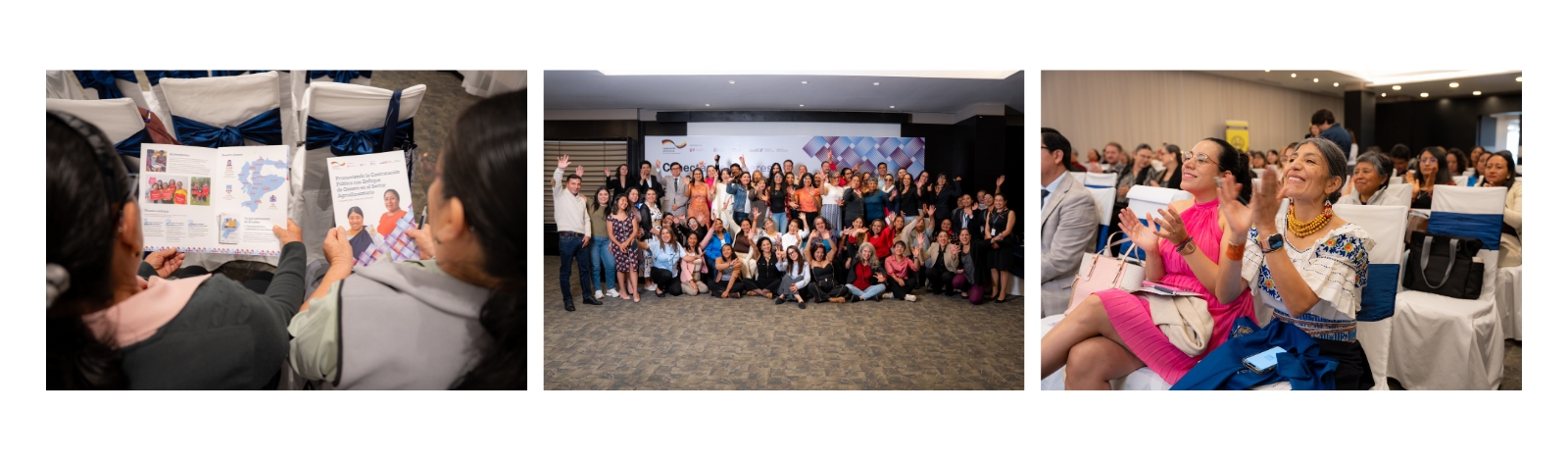
Over four years, the project trained 3,108 women through 72 workshops across 33 cities and 16 provinces. It reached them by working through partners already trusted in each community: provincial governments, national ministries and networks of cooperatives and community organisations. It also published a step-by-step guide in Spanish, Kichwa and Shuar, Vende al Estado: Pasos Claves para Mujeres en la Agricultura, so that the same information is also available to Kichwa and Shuar-speaking communities across Ecuador. This ITC initiative is funded by the German Federal Ministry for Economic Cooperation and Development (BMZ) and supported by Deutsche Gesellschaft für Internationale Zusammenarbeit (GIZ) GmbH under the iA4g fund.
The project also put women in front of the people who award the contracts. Beyond the workshops, two speed-networking sessions gave 82 women face-to-face access to procurement officers from government ministries and agencies, and the chance to ask the questions a formal tender process rarely allows: which documents actually matter, where first-time bidders go wrong, and what a buyer is really looking for in a supplier.
With the project officially closing in June 2026, the policy changes it helped bring into force may prove its most lasting legacy. Four new instruments now recognize women-led businesses in public procurement law for the first time. One introduces preference margins for women suppliers. Another establishes a single, nationally binding definition of what a women-led business is (the ISO IWA 34): before it, each institution in Ecuador could apply its own interpretation, so a cooperative that qualified in one province might not qualify in another. The standard removes that inconsistency. At the closing ceremony in Quito, the Ministries of Production, Foreign Trade and Investment; Agriculture, Livestock and Fisheries and Foreign Affairs; and Human Mobility announced the creation of a national inter-institutional working group to continue work on gender-responsive public procurement.
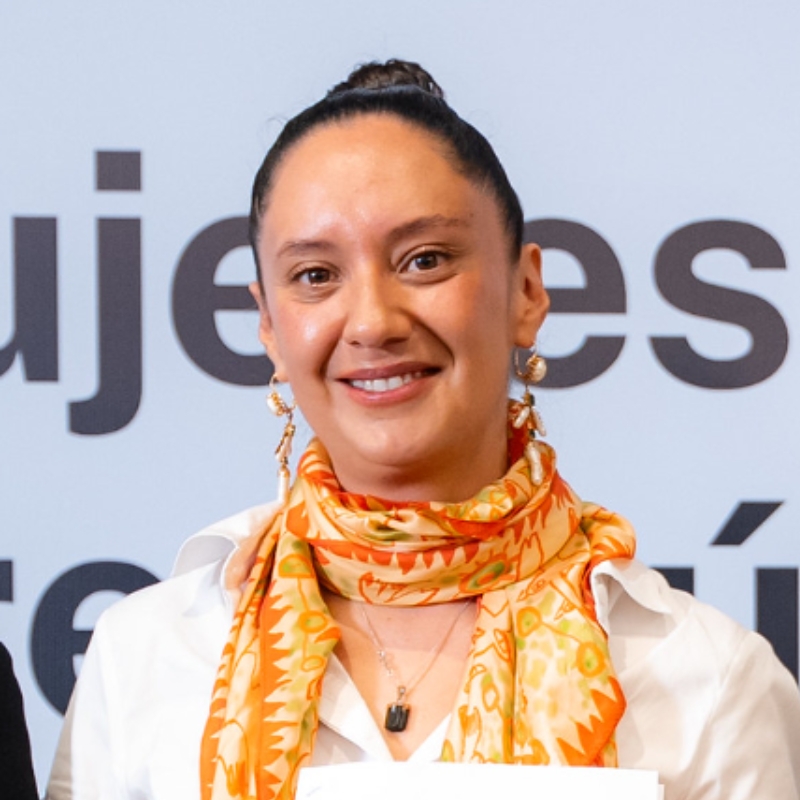
Three ministries coming together signals the government’s commitment to carry these reforms forward beyond the project. It strengthens coordination across institutions, supports consistent implementation of the public policy, and enables shared data to inform future policy making and ensure these advances are sustainable.
Daniela García
Director of Economic Affairs
Ministry of Foreign Affairs and Human Mobility
Ministry of Foreign Affairs and Human Mobility
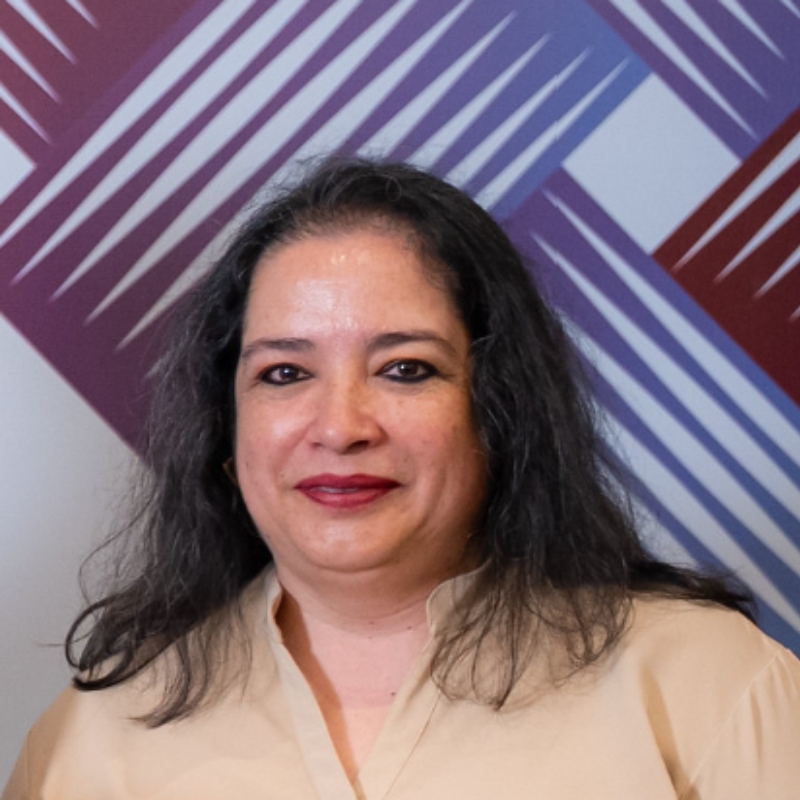
A clear legal definition of a women-led business gives institutions a common standard and makes progress measurable. But from the Ministry’s work with rural women in Ecuador, we know the definition alone is not enough. Training, technical support and access to information are what turn recognition on paper into real opportunity.
Linda Marisol Cruz on behalf of the Ministry of Agriculture, Livestock and Fisheries
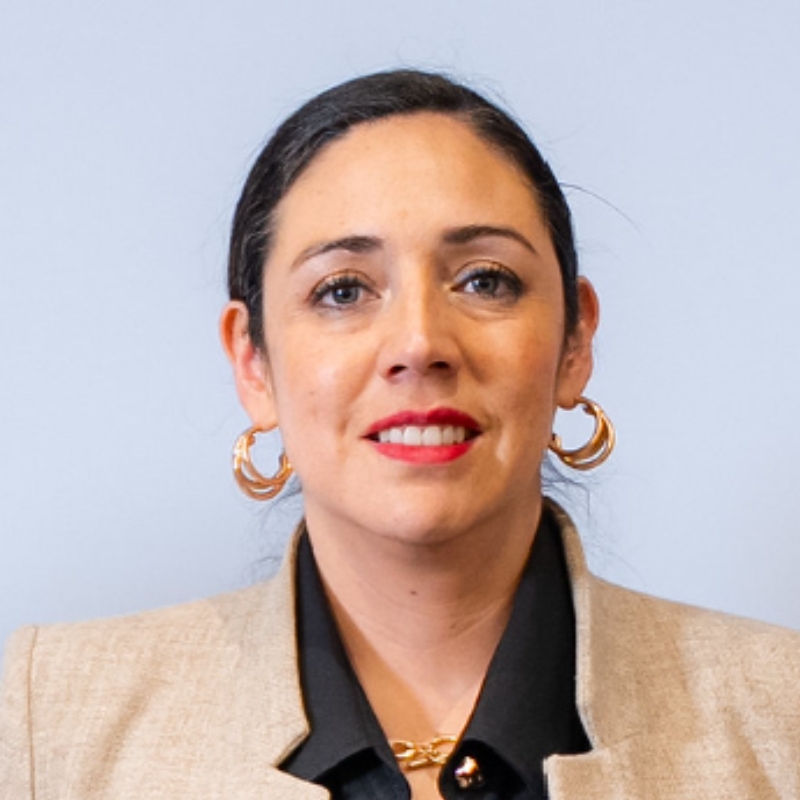
Women now have better opportunities to access stable public markets and expand their sales. Thanks to these new mechanisms, they have a real path to becoming government suppliers for the first time.
Lorena Muñoz
Director of Multilateral, Regional, and Trade Facilitation Organizations
Ministry of Production, Foreign Trade and Investment
Ministry of Production, Foreign Trade and Investment
In Puerto Quito, Rosa Lara leads Cooperativa Kuye Cacao & Vainilla, which processes cocoa and vanilla into chocolate, butter and vanilla extract under the Chocovandina brand, with the aim of keeping profits within the community. When SheTrades training reached her city, she connected with women who shared the same ambitions, and together they built the legal structure to pursue them.
‘After attending the workshop, I met women who shared the same vision for growth and social impact that I have. We decided to establish Coop Kuyé so that collectively, we can be a more competitive bidder for government contracts. The cooperative now has 27 members from five provinces,’ says Rosa Lara.
The project’s model now moves to East Africa, West Africa and Asia and continues its collaboration with GIZ. The next phase works through three established regional farmer networks: the Eastern African Farmers Federation (EAFF), a West African farmer network (ROPPA), and the Asian Farmers’ Association for Sustainable Rural Development (AFA). Rather than working with individual women directly, it extends the model through organisations already connected to women in farming and food sectors across Africa and Asia.
‘Gender inequality in agricultural procurement is a global challenge, and public funding alone cannot replicate Ecuador’s project everywhere it is needed. By working through farmer organisations already embedded in communities across Africa and Asia, we can reach far more women than direct training could,’ says Vivian Schlegel, programme manager at GIZ.
‘It starts with believing you can do it. If I could do it, so can you. Let’s keep learning, seek out training, ask for help, and remember that together we can achieve this,’ says Gabriela.
About the SheTrades Gender-Responsive Public Procurement project
The SheTrades: Promoting Gender-Responsive Public Procurement for Agricultural Products project aims to deliver innovative solutions to help Ecuadorean women in agricultural value chains benefit from government procurement opportunities. This ITC initiative is funded by the German Federal Ministry for Economic Cooperation and Development (BMZ) and supported by Deutsche Gesellschaft für Internationale Zusammenarbeit (GIZ) under the iA4g fund.
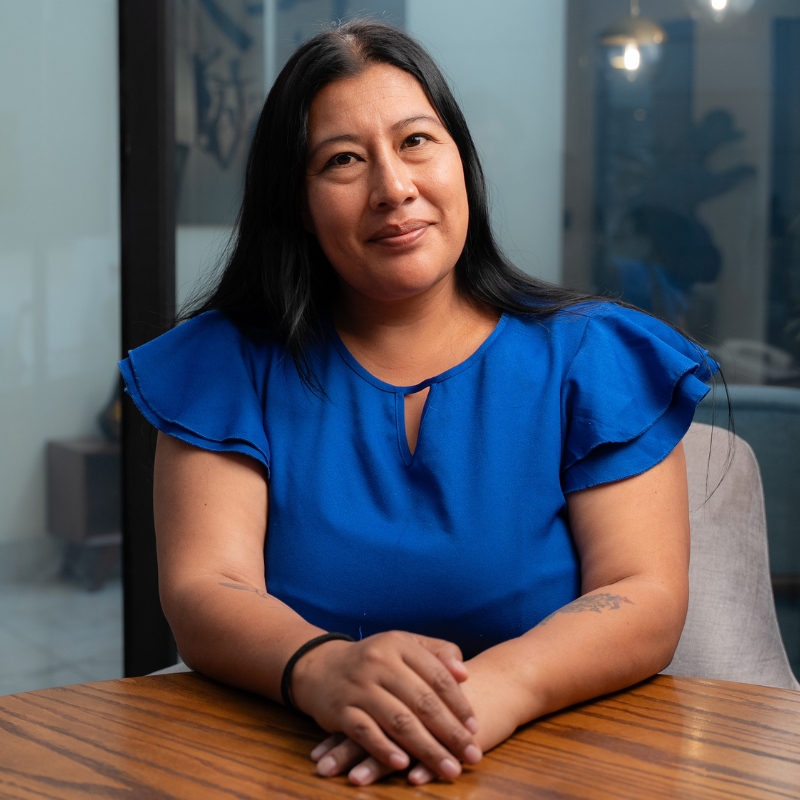
It starts with believing you can do it. If I could do it, so can you. Let’s keep learning, seek out training, ask for help, and remember that together we can achieve this.
Gabriela Moyón
ITC SheTrades and Visa expand women’s digital trade programme to Ghana
Ghana’s women entrepreneurs run nearly half the country’s small businesses. They are also among the least likely to get a bank loan, accept a digital payment or sell across a border. Visa and ITC SheTrades delivered two regional programmes across the Gulf and sub-Saharan Africa that produced concrete results. Now, they are taking that model to Ghana.
2 MIN READ
news update
Ghana
25 JUNE 2026
Ghana has one of the highest rates of financial account ownership in sub-Saharan Africa, with 81% of adults holding an account, largely thanks to mobile money. The infrastructure for digital payments exists. The question is who can use it, and on what terms. Women entrepreneurs, who own an estimated 44% of small businesses in Ghana, still struggle to convert that infrastructure into capital, credit and customers. They face limited access to capital, stringent collateral requirements, complex loan processes and gaps in digital literacy.
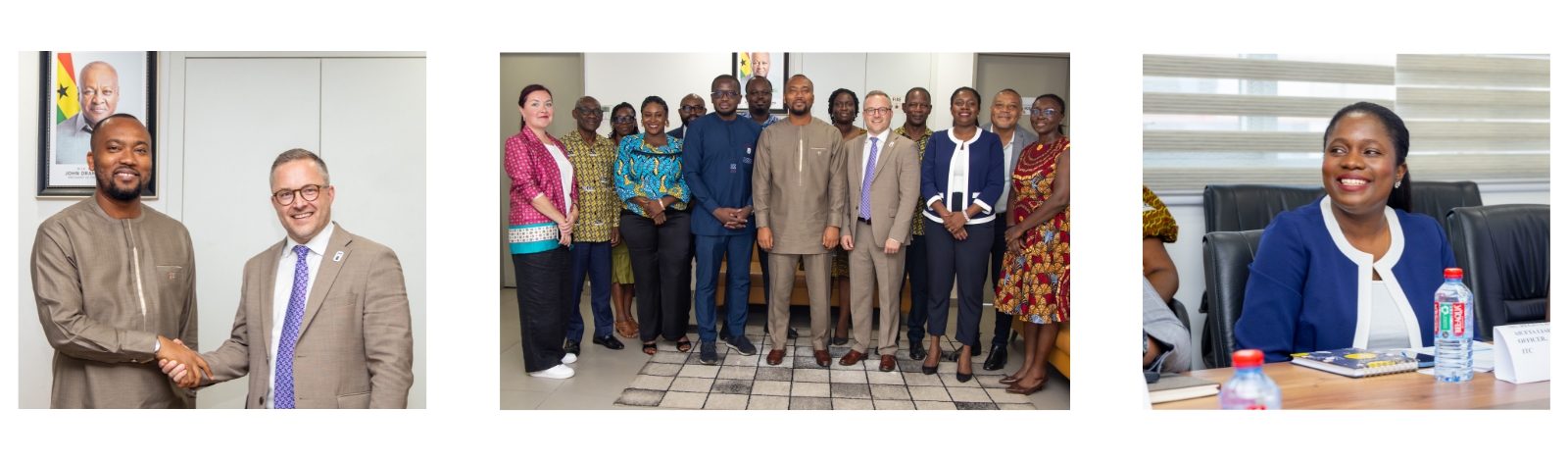
On 18 June 2026, senior representatives from ITC, Visa and the Ghana Export Promotion Authority (GEPA) gathered in Accra to mark the soft launch of the Ghana programme – an initiative designed to strengthen the business competitiveness, digital skills and financial inclusion of women-led businesses. Among those present was Jeremy Sturchio, Visa’s Global Head of Social Impact and Sustainability, as well as Ambrose Nsarkoh, Deputy CEO, Operations and Management at GEPA, and Regina Hammond, ITC’s AfCFTA Liaison Officer in Ghana.
The model is proven. Since 2025, the programme has supported over 1,768 women entrepreneurs across the Gulf Cooperation Council and sub-Saharan Africa to break into international markets using digital tools, and Ghana is where that momentum builds next.
In Ghana, the programme will deliver online trainings and webinars and in-country workshops covering financial literacy, business management and e-commerce, alongside networking events and support to integrate Visa’s digital payment tools into participants’ operations. GEPA, which hosts the SheTrades Ghana Hub, brings a longstanding mandate in export development and business growth to the programme along with a wide membership of women-led businesses that stand to benefit directly.
For Ghana, the stakes are clear: closing the financing and digital gap for women-led businesses could unlock billions in untapped economic potential, and position Ghana as a model for inclusive trade growth across the region.
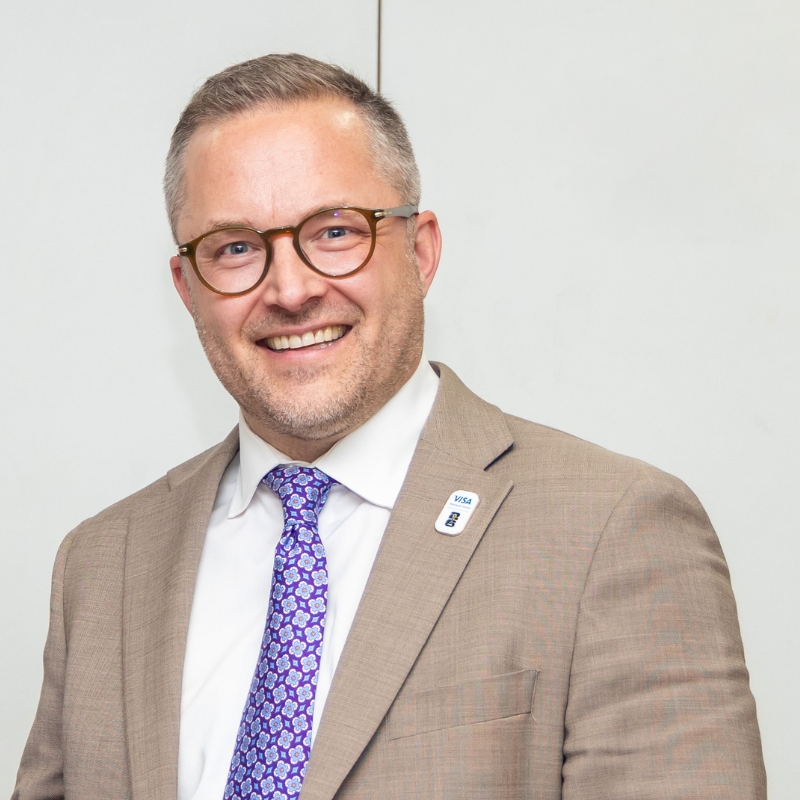
We designed this programme to address the needs of the Ghanaian market, specifically to support women entrepreneurs as they explore cross-border trade. Tailoring the programme allows us to use ITC SheTrades’ deep expertise in trade readiness and Visa’s global capabilities in digital payments to help entrepreneurs compete in the digital economy. We know similar programmes have worked in other markets, and being in Accra this week underscored how important it is to scale and tailor proven programmes that support entrepreneurs.
Jeremy Sturchio
Global Head of Social Impact and Sustainability, Visa
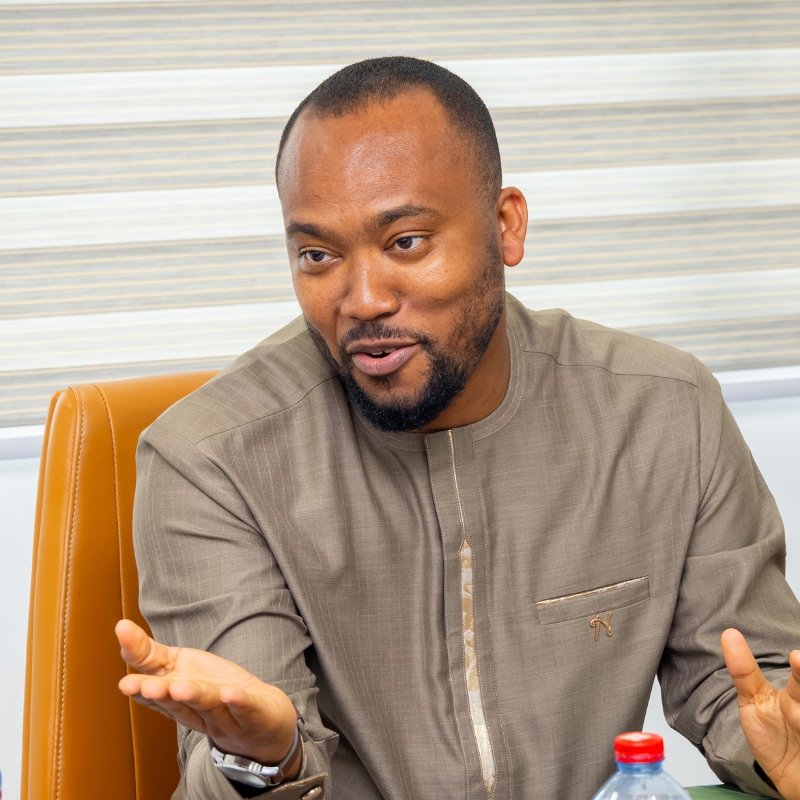
GEPA is proud to continue its longstanding collaboration with ITC SheTrades to advance women-led businesses in Ghana. We are particularly pleased to see this work expand through the partnership with Visa, whose expertise in digital payments and financial inclusion will further strengthen our collective support to women-led businesses seeking to trade, scale and compete in regional and global markets.
Ambrose Nsarkoh
Deputy CEO, Adminitration and Operations, GEPA
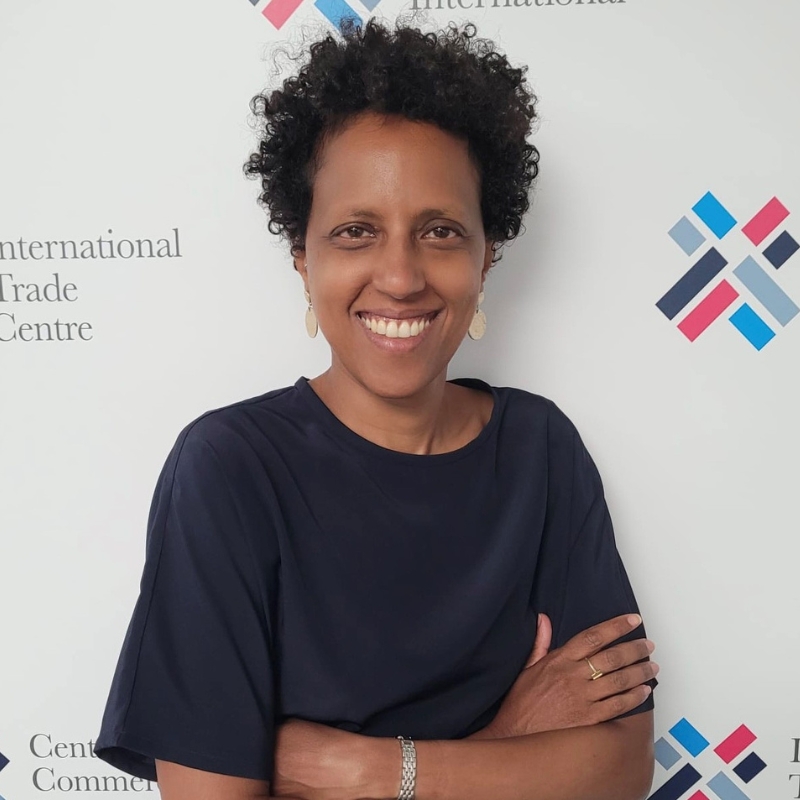
Ghana marks an important milestone for our partnership with Visa. The next chapter of ITC SheTrades puts digital trade and South-South commerce at the centre, and this programme is a direct expression of that. Building on the results and lessons from the Gulf and sub-Saharan Africa, we are bringing together Visa’s expertise in digital payments and GEPA’s networks as the SheTrades Ghana Hub to equip women-led businesses with the tools and connections they need to compete and grow across borders.
Judith Fessehaie
Head of ITC SheTrades
The soft launch also brought Ghanaian women entrepreneurs into direct conversation with Visa and GEPA on digitalization, access to finance, AI and export readiness.
The programme kicks off on 16 July with a five-part webinar series: ‘Digital, Financial and Leadership Skills for Women-Led Businesses in Sub-Saharan Africa’ – the next step in turning Ghana’s potential into progress for its women entrepreneurs.
The programme kicks off on 16 July with a five-part webinar series: ‘Digital, Financial and Leadership Skills for Women-Led Businesses in Sub-Saharan Africa’ – the next step in turning Ghana’s potential into progress for its women entrepreneurs.